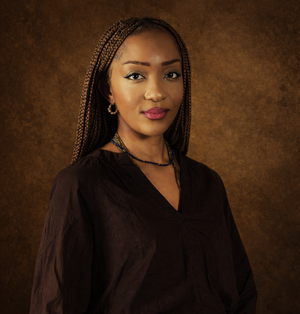
Gamal ELKHESHEN: From the Soil to the Soul
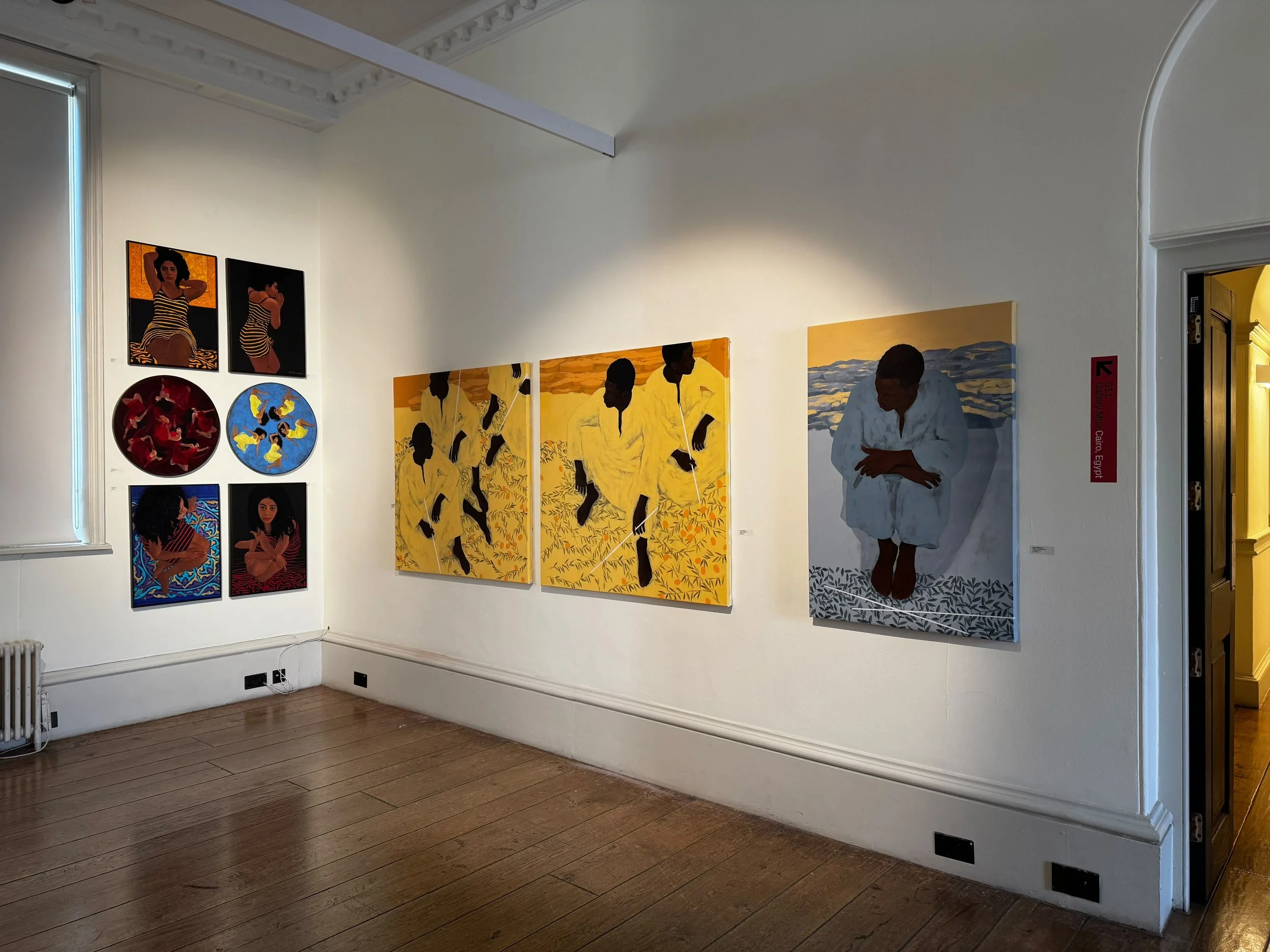
Presented by Gallery Misr at 1-54 London, Gamal ELKHESHEN’s People and the Nile continues a journey through land, spirituality and belonging. Born and raised in Cairo, Elkheshen has dedicated his practice a research around notion of land of the people who inhabits it. In conversation with MAYÌ ARTS, the Egyptian artist and Associate Professor at the University of Finee Arts of Cairo discusses the encounters behind his paintings, the role of research and storytelling in his practice, and his desire to convey the spirit of people deeply connected to their land.
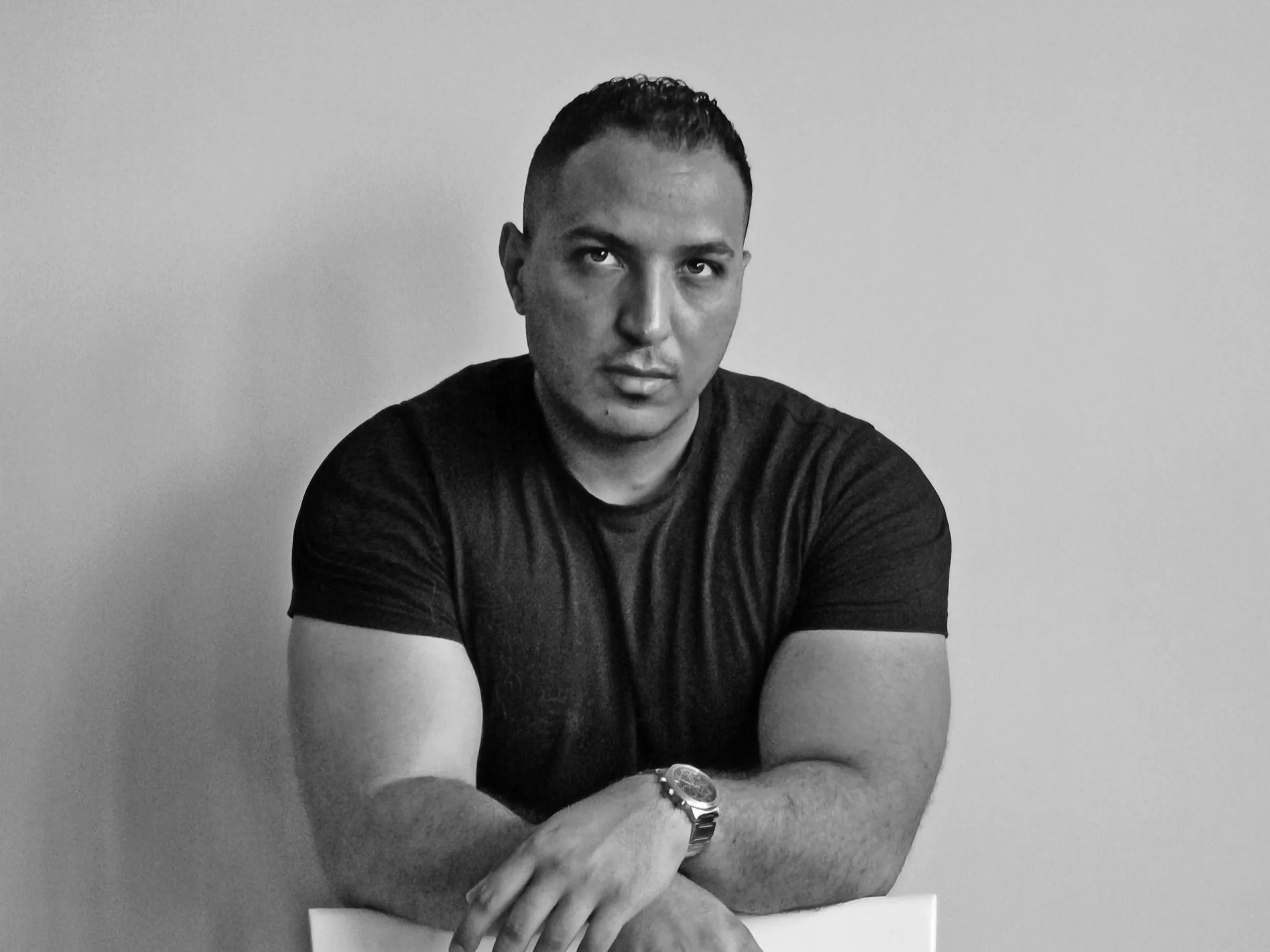
Gamal ELKESHEN
While at 1-54 London, we met with Gamal Elkheshen as he’s presenting his latest research People and the Nile, a deeply emotional series paying tribute to the sacred place and its people. The Egyptian artist takes us through his journey as an artist, also highlighting his special connection to land, spirituality and his native place.
MAYÌ ARTS: Could you take us back to the beginning of your artistic journey?
Gamal ELKHESHEN: I began practising before entering the Faculty of Fine Arts, where I graduated in 2010. The faculty gave me my academic foundations, but I was already participating in exhibitions while studying. I started my professional career immediately after graduating.
Yet I often describe representing Egypt at the 56th Venice Biennale as my real beginning. I was very young, I was 26 and did not fully understand the scale of the event. I arrived without a catalogue and did not even organise an official opening for my pavilion because I did not know that was something I should do. Maybe I wasn't, maybe because I was too young, I wasn't prepared well for the Biennale. To understand the event, to understand the net worth of the art, the artists as well around me. I can say I was a naive artist at the time but that experience opened my eyes to the wider art world. Afterwards, I began exhibiting with Gallery Misr, and we have worked together ever since.
MAYÌ ARTS: 10 years fast forward, what did that experience change in your understanding of your work?
Gamal ELKHESHEN: It helped me believe in my work and in the message I wanted to communicate. Egypt was going through many changes and conflicts, economically and politically. I had to ask myself: what do I want to convey as an Egyptian artist representing my country?
My project was selected through a competition involving many artists. Usually, the artists representing Egypt were older, established figures, so receiving that opportunity so young was significant. It gave me a different understanding of my work and of the responsibility that came with presenting it.
MAYÌ ARTS: Your latest series, People and the Nile, belongs to a longer body of research. Where did that journey begin?
Gamal ELKHESHEN: The story begins in 2023, I presented a collection called Adeem. The Arabic word refers to the surface of the earth, the soil, and connects to Adam, who was created from the soil.
I began exploring people’s connection to the land and work on people who are attached to it. In the religious accounts and methodologies I was researching, Adam’s dark skin was associated with the earth from which he was created. That relationship became a starting point for the collection.
Then I began to feel that it was not only about the soil, but also about the soul. That led me towards Sufism and to the next exhibition, Maqam al-Nur (The Sanctuary of Light) in 2025. I was interested in the places and traditions through which we celebrate people’s connection to God. People and the Nile continues that exploration. For me, the Nile is the soul of Egypt. Our civilisation developed around it. I wanted to look at the people whose lives remain attached to the river.
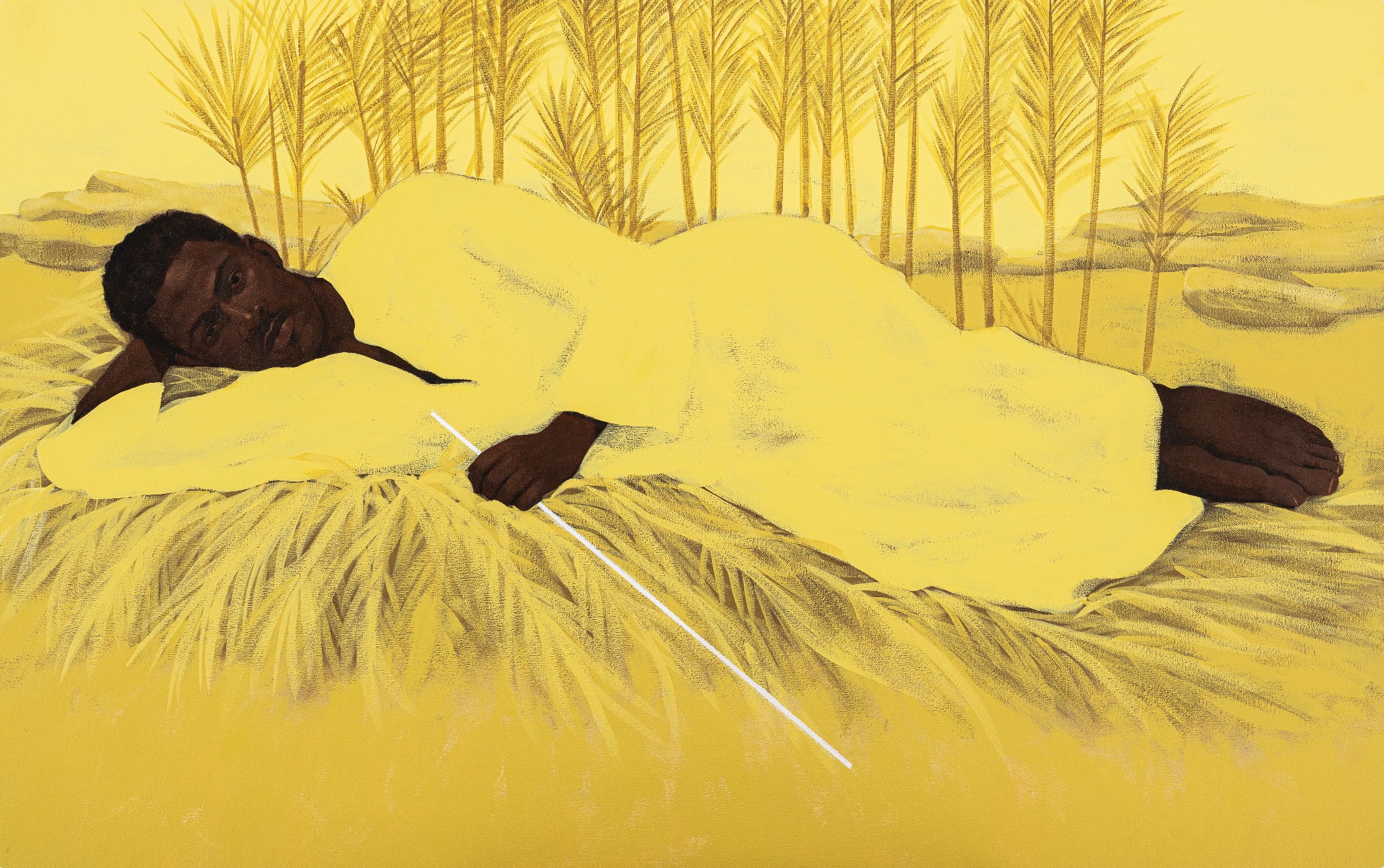
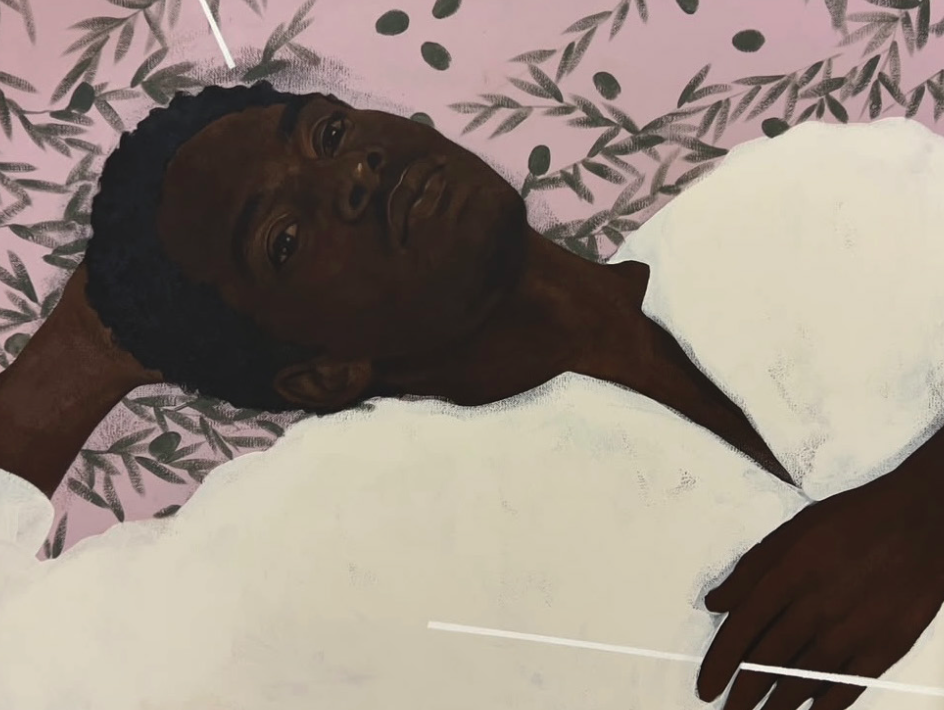
People and The Nile VII, Gamal ELKHESHEN, Acrylic on canvas 120x75cm, 2026
MAYÌ ARTS: How do these different bodies of work connect?
Gamal ELKHESHEN: They approach the same relationship from different perspectives: people created from the land, their spiritual connection, and their attachment to the Nile river. The emotional dimension connects all three. I am very emotional about the people I paint. Through the work, I am celebrating those who remain closely connected to this land.
MAYÌ ARTS: Are the figures in your paintings people you have met?
Gamal ELKHESHEN: Yes, they are people I know. I travelled to southern Egypt, to Nubia and Aswan, where I met the people who informed this work. I was moved by their peacefulness, which I felt even in the way they dressed: the white cotton galabeyas, the presence of the people themselves.
I began this research in 2021, before presenting Adeem in 2023. Then came Maqam al-Nur in 2025 and People and the Nile in 2026. It is a journey, like a river. I do not know where it will end, but I am happy to continue exploring it.
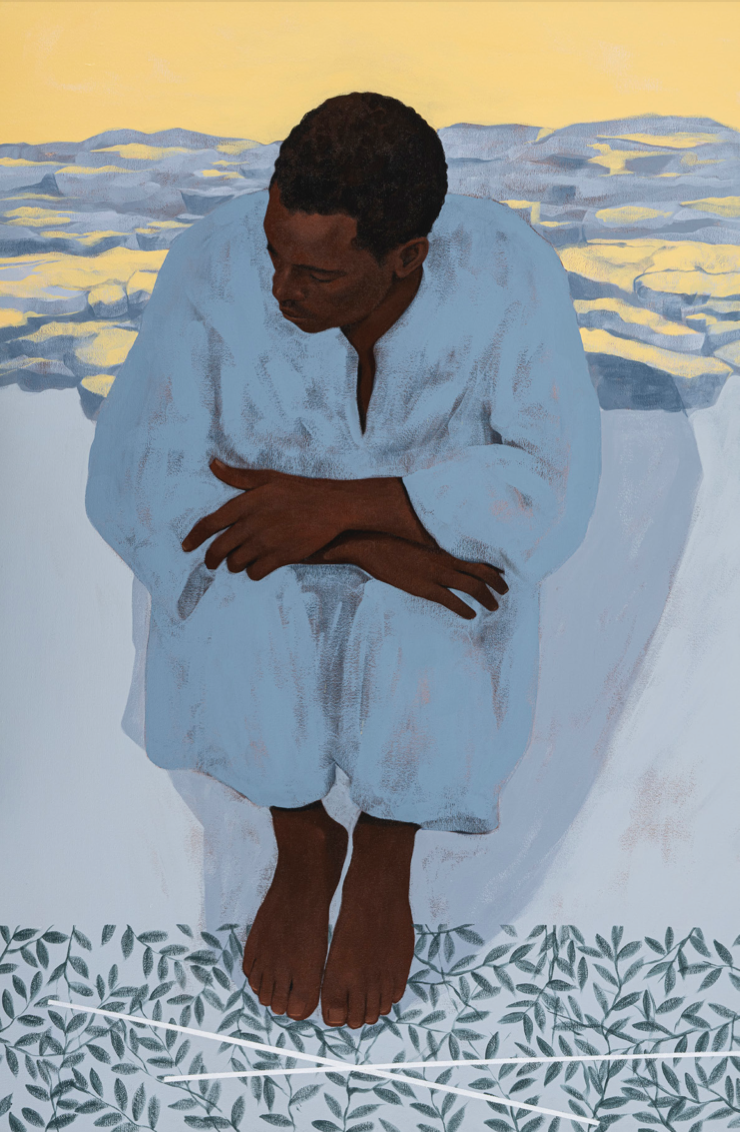
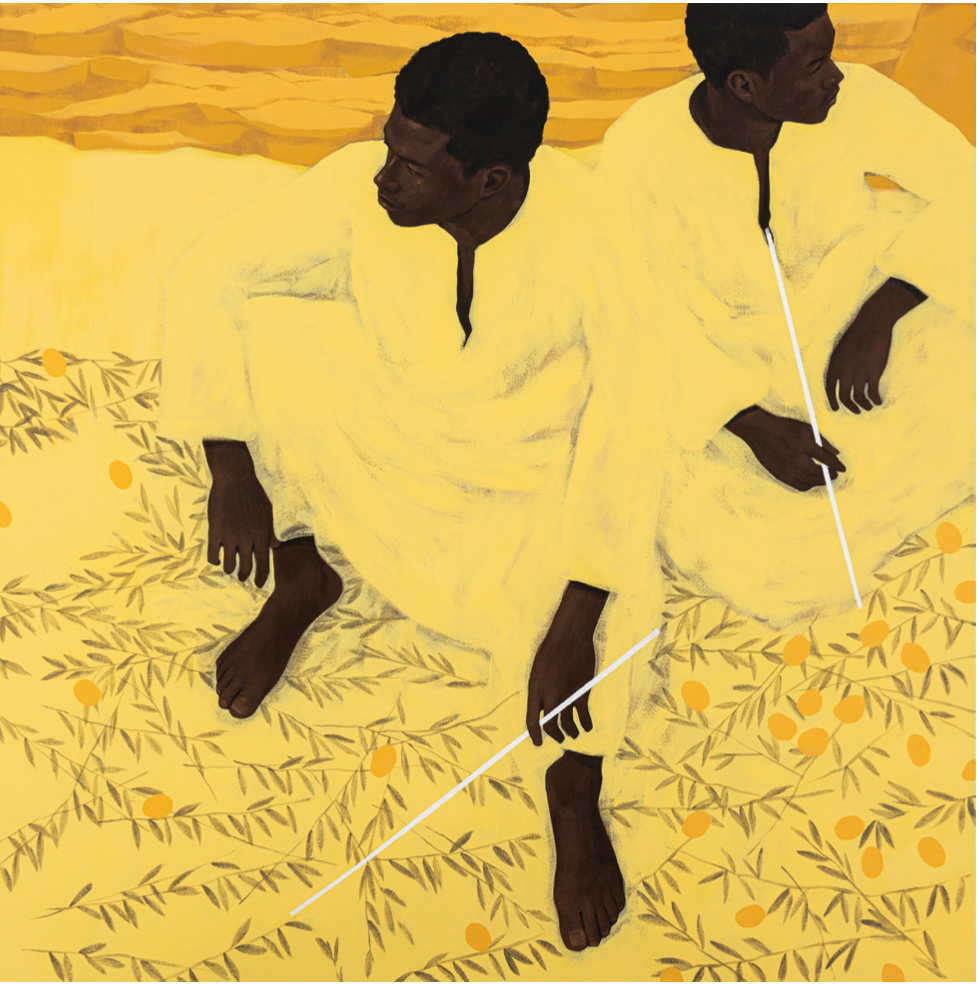
People and The Nile I, Gamal ELKHESHEN, Acrylic on canvas 80x120cm 2026
MAYÌ ARTS: Egypt sits at the meeting point of African, Arab and Mediterranean histories. How do you understand these different identities?
Gamal ELKHESHEN: Historically Egypt has been a gate. Egypt is an African country, and it has also been a gateway for Arab cultures and many others. If you look at its history, you find the ancient Egyptians, the Greeks and Romans, Christianity and then Islam, followed by other periods of foreign occupation and influence.
I feel that Egypt has this cosmopolitan character. We welcome people. These different histories have contributed to the country and to who we are.
MAYÌ ARTS: Alongside your artistic practice, you work in academia. How do research and teaching inform your work?
Gamal ELKHESHEN: I love research, especially the cross-cultural dialogues it can create. My academic work helps me deepen and strengthen the research behind my practice.
I also love teaching, history and working with students in the studio, drawing and painting from life. I have worked at several universities and am now at the British University in Egypt, in Cairo, where my responsibilities include research and postgraduate studies.
I enjoy developing my own research, but I also enjoy supporting other people in theirs.
“ I am very emotional about the people I paint. Through the work, I am celebrating those who remain closely connected to this land.”
MAYÌ ARTS: Did you always know you wanted to become a painter?
Gamal ELKHESHEN: I always liked storytelling. That was the beginning. I used to write and make illustrations alongside my writing, but I did not necessarily imagine that I would become a painter.
Even now, I think of my work as storytelling. I always begin with writing and research. Only afterwards do I go into the studio.The subject leads me to the medium. That applies to all my projects, whether I am working with painting, drawing, video or installation. Some ideas can only become paintings for me. Others feel stronger as drawings, videos or installations. The medium emerges from what I am trying to express.
MAYÌ ARTS: What would you like visitors to take away from encountering your work at 1-54?
Gamal ELKHESHEN: The soul of these people who are connected to the land. I would like visitors to feel that spirit, that attachment. That is what I hope they encounter in the work.
MAYÌ ARTS: And how do you maintain your own connection to your surroundings and your roots?
Gamal ELKHESHEN: By trying to remain at peace and to see the beauty in other people. Our time in this world is short. We have to think about our purpose here: to feel for one another, to understand one another and to recognise the value of every person.
We share this land. For me, we are one.
Find out more about Gallery MISR on their website