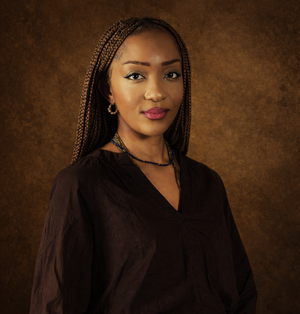
Founded just over a year ago in Geneva by Malaïka Ben Ali and Myriam Chakroun, Tribe Gallery has built its programme around three central themes: migration, identity and memory. On the occasion of the gallery’s debut at 1-54 London, we spoke with Malaïka Ben Ali about the origins of Tribe, her relationships with artists and her vision for the future.
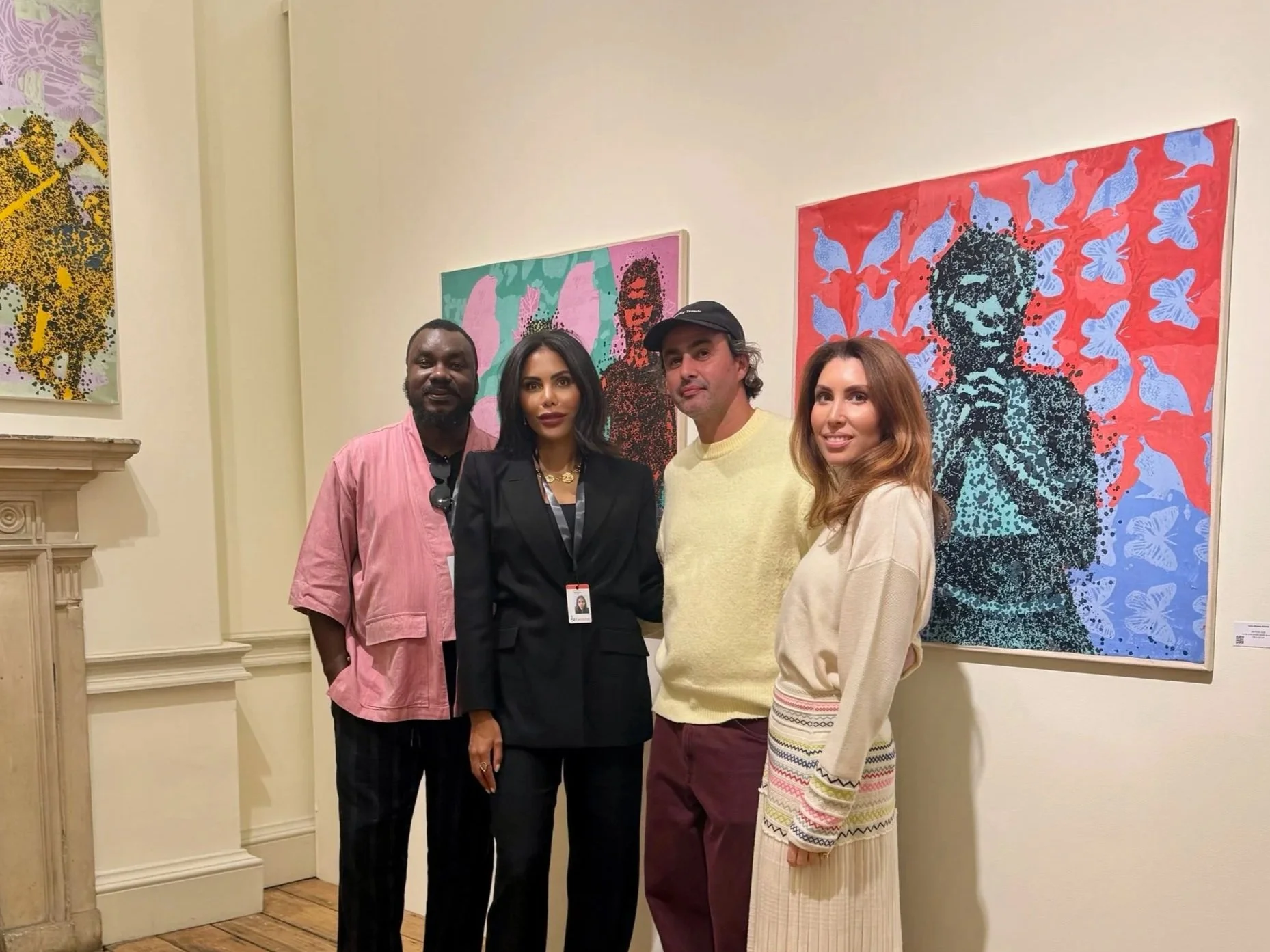
For Malaïka Ben Ali, Tribe Gallery is nothing but the continuation of a longstanding passion. Before co-founding the gallery with Myriam Chakroun, she had spent years as a collector, developing close relationships with artists. A year and a half after opening its doors, the Geneva-based gallery made its debut at 1-54 London, during an edition whose curatorial quality was widely praised by participants. We spoke with Malaïka Ben Ali about the beginnings of Tribe, the values that guide its work and this first participation in the fair.
MAYÌ ARTS: How did Tribe Gallery come about, and why did you choose Geneva?
Malaïka BEN ALI: Geneva was a natural choice. We both live here, and our children attend school here. Alongside the gallery, I have another professional activity, but art has always played an important role in my life. My personal journey has allowed me to understand both the collector’s and the artist’s perspectives.
The project grew out of my close relationships with several artists whose work I found extraordinary, but who were not yet known in Geneva. I felt strongly that the public needed to discover their work. They were willing to join me in organising an exhibition, even though I did not yet have a gallery. Keziah Jones was one of them. We were considering an exhibition, and the idea was simply to find a space to rent. At that point, opening a gallery had never crossed my mind.
Then, while searching for a venue, I came across an available space. I saw it as a sign of destiny. I joined forces with Myriam, and we said to ourselves, “Let’s give it a try and see what happens.” Everything moved very quickly after that.
MAYÌ ARTS: A year and a half after opening, how has your vision evolved?
Malaïka BEN ALI: I would say that our vision has mainly been reaffirmed. From the outset, we chose not to define the gallery by a particular style or geographical origin. We wanted to move away from this tendency to put artists, artworks and people into boxes.
Our ambition was to introduce Swiss audiences to new discoveries, particularly artists who had never exhibited in Geneva. But the starting point always remains what their work has to say. Three themes are fundamental to us: migration, identity and memory. The artists we work with explore at least one of these subjects, sometimes all three.
What also evolves over time is our relationship with the artists. These relationships grow stronger and develop over the long term. And we continue to learn. Every exhibition, every event and every step brings something new.
“From the outset, we chose not to define the gallery by a particular style or geographical origin. We wanted to move away from this tendency to put artists, artworks and people into boxes.”
MAYÌ ARTS: This is your first participation in 1-54 London. What led you to choose this fair?
Malaïka BEN ALI: I met Touria El Glaoui in Geneva about a year ago. She took the time to speak with me and answer my many questions. She also encouraged me to write to her if I ever needed advice. I have tremendous admiration and respect for her. That conversation encouraged me to take the necessary steps to develop the gallery.
We subsequently attended 1-54 Marrakech at the invitation of La Galerie 38, with whom we have an ongoing relationship. It gave us an opportunity to discover the fair, understand how it operates and experience all the events surrounding it before taking the plunge ourselves.Participating in 1-54 then seemed like an obvious choice. We chose London for its architectural setting, but also for the cultural diversity of the city and its audience.
We submitted our application, which was accepted, and received a great deal of encouragement from the team. We are truly delighted to be participating for the first time.
MAYÌ ARTS: What particularly stood out to you during this first experience?
Malaïka BEN ALI: The atmosphere and energy of the fair. There is everything that happens beyond the exhibitors themselves: the events, the encounters and the conversations. I find the atmosphere exceptional.
I also really appreciated the relationships with other gallerists. Perhaps this is simply my perspective as a first-time participant, but I found everyone very welcoming. There is a sense of mutual support and closeness. That is part of what makes this fair such a special place.
MAYÌ ARTS: You mentioned being a woman and a mother. Does this influence the way you run the gallery and work with artists?
Malaïka BEN ALI: Absolutely. One thing that frequently comes up in the feedback we receive from artists is how much they value loyalty and transparency in our relationships.
We are fortunate to work with artists who already have a certain level of experience. Some have told us about situations in which negotiations and decisions lacked transparency. They appreciate the fact that we consult them on everything, from how their works are displayed to any potential discounts offered to collectors.
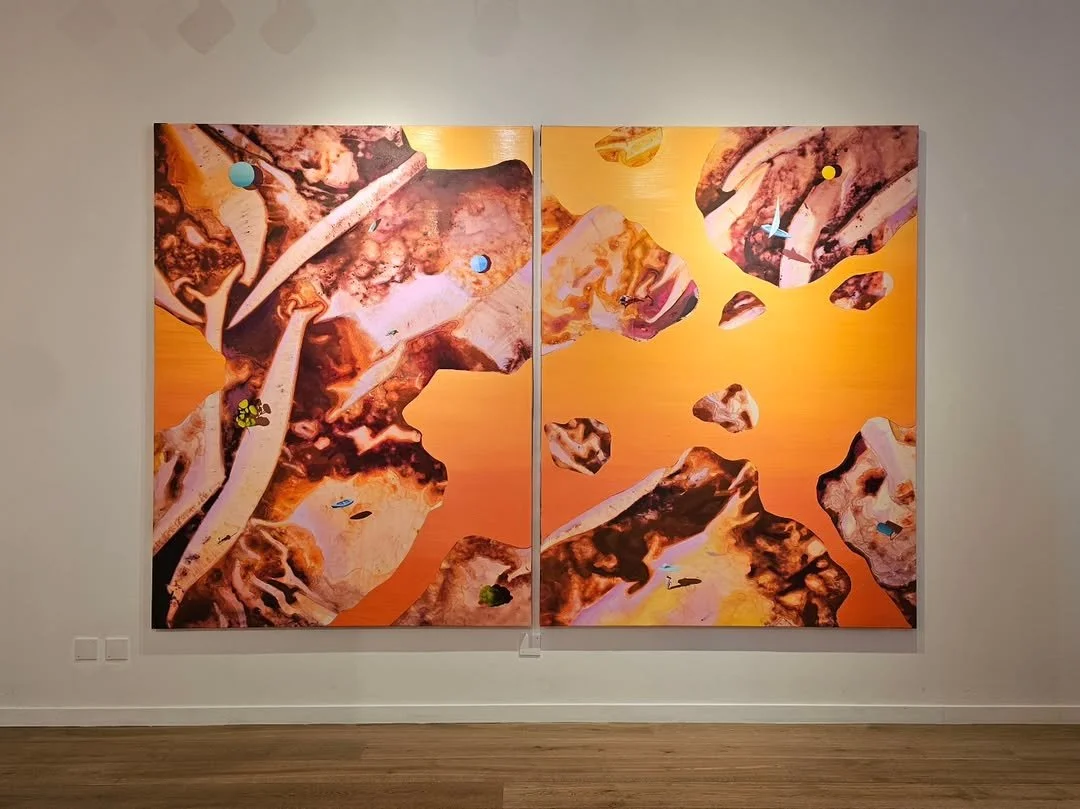
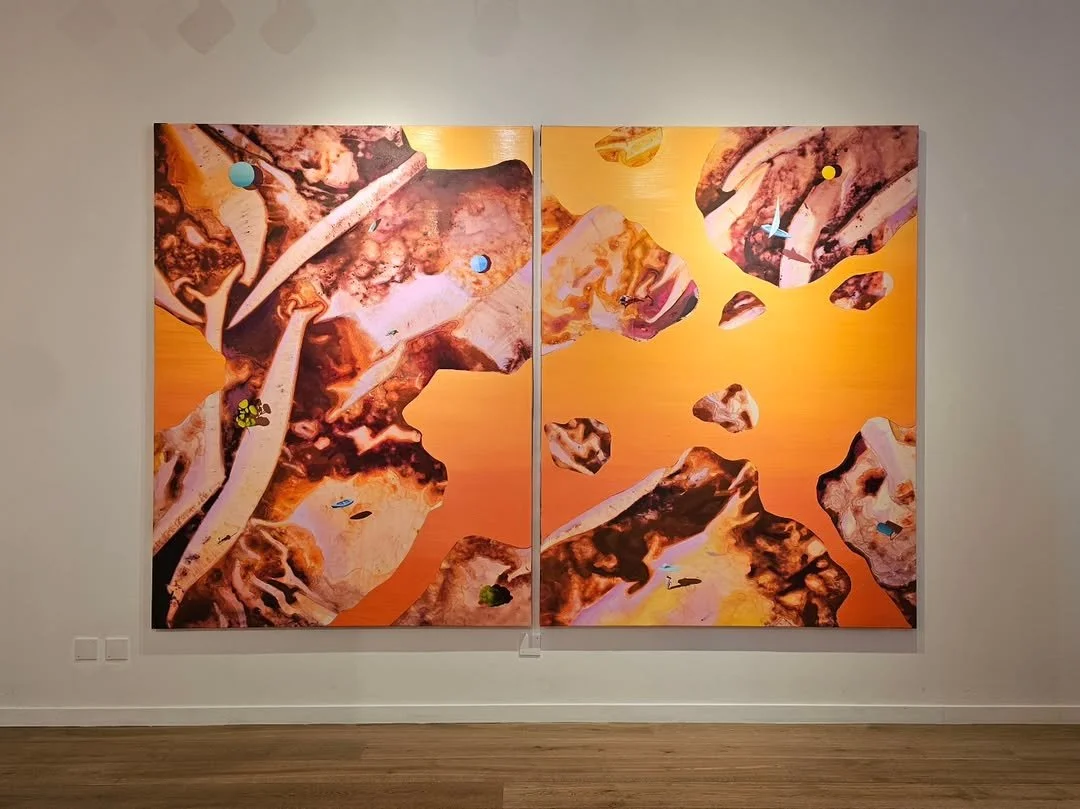
We maintain close relationships throughout the entire process. In London, the two artists we presented, Bechir Boussandel and Yéannzi, were there with us. Beyond the work involved in the fair, we shared some wonderful moments together. Human relationships matter enormously.
MAYÌ ARTS: How important is the place of women within this ecosystem to you?
Malaïka BEN ALI: It is a very important subject for me. The art world remains very male-dominated. Some galleries are managed by women but owned by men.
We would like to represent more women artists. We do not always find artistic practices that align with our programme's criteria, but it is a genuine ambition.
I also feel that women's work continues to be undervalued in the market. Added to this, in my own experience, is the fact that I am Black. It is important to me to demonstrate that a Black woman can build a business and create something that makes a lasting impact.
I have great admiration for young women who establish their own projects. They take the initiative without waiting to be given a place or told that they are sufficiently qualified. Seeing them move forward and succeed means a great deal to me.
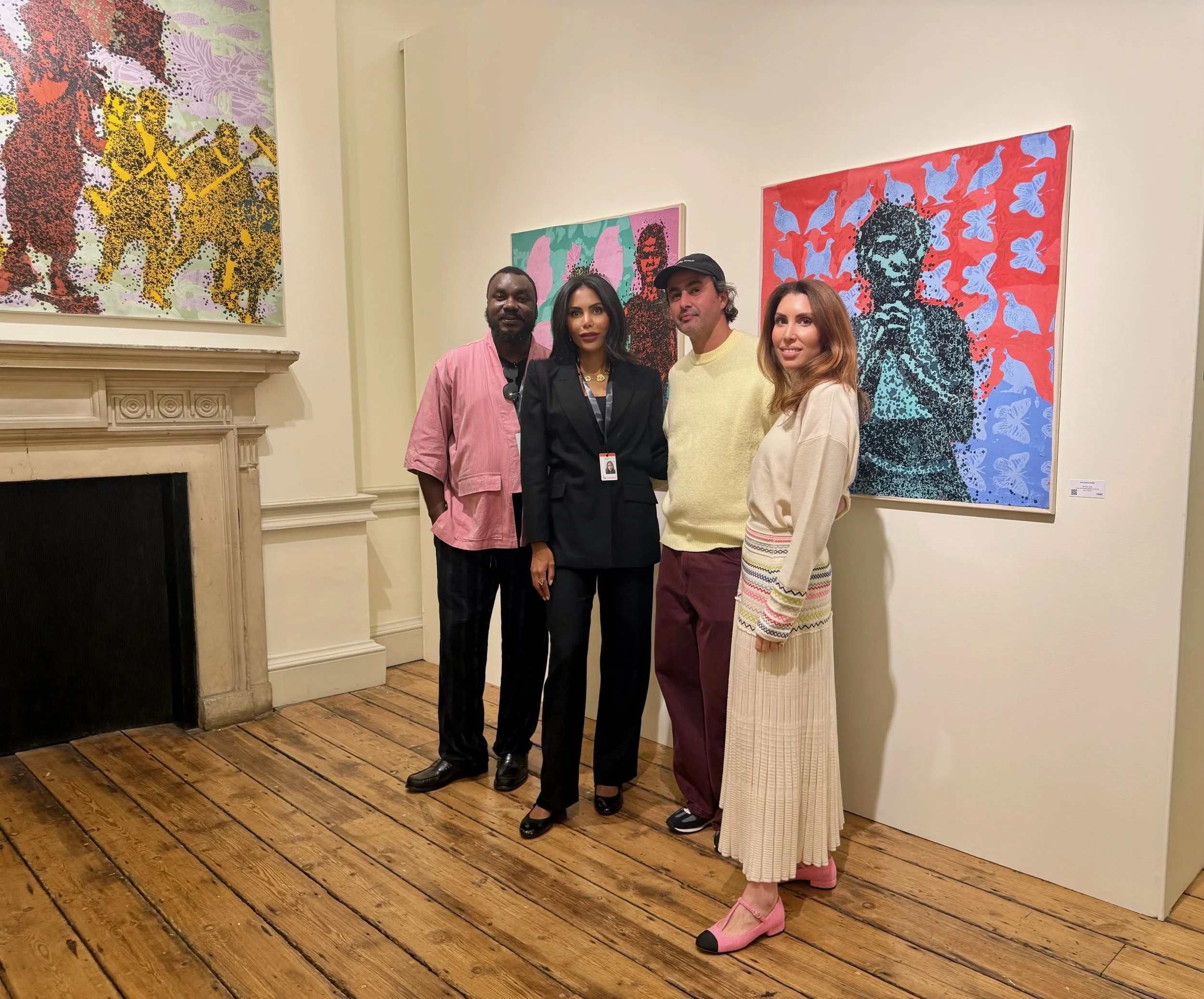
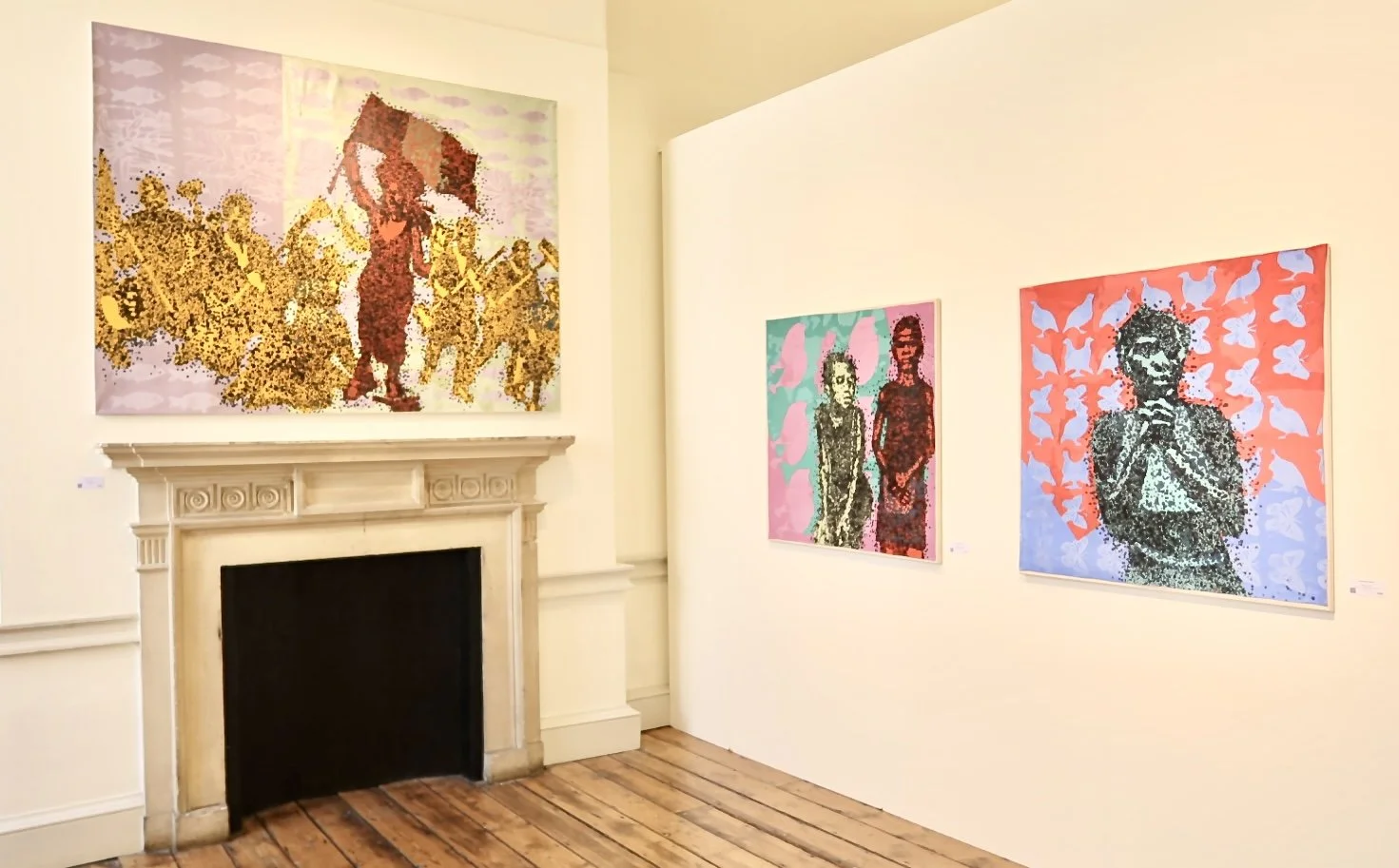
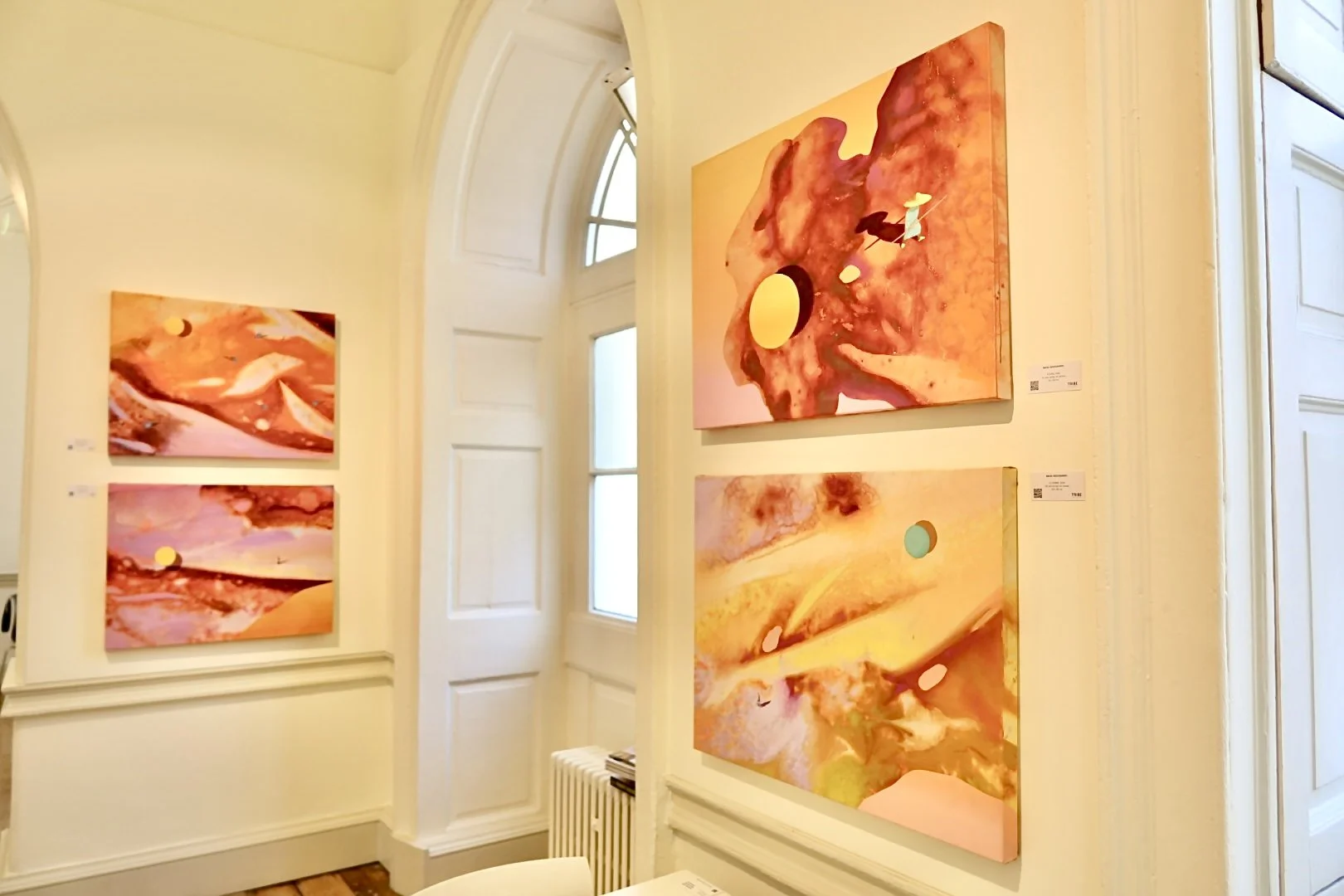
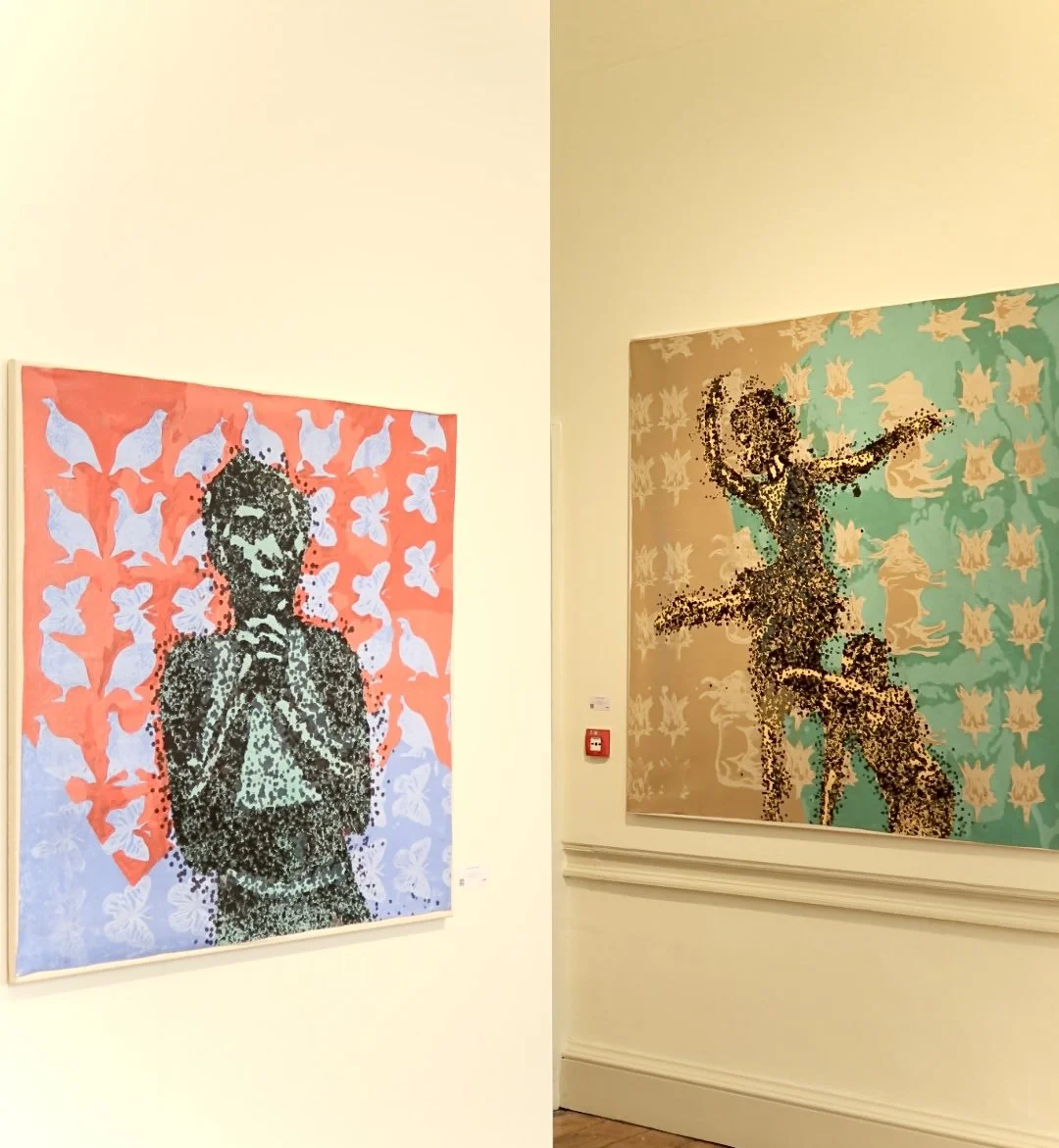
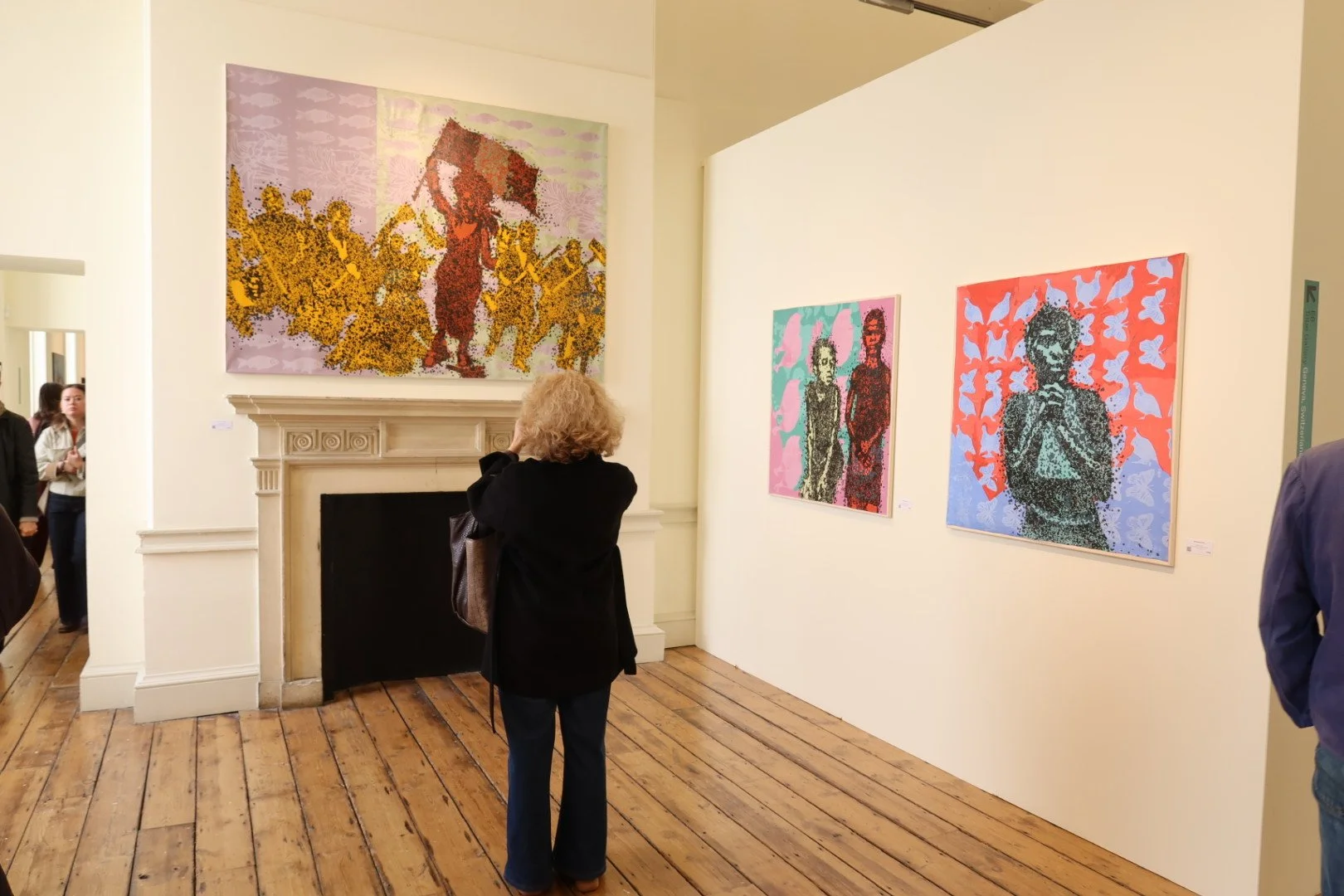
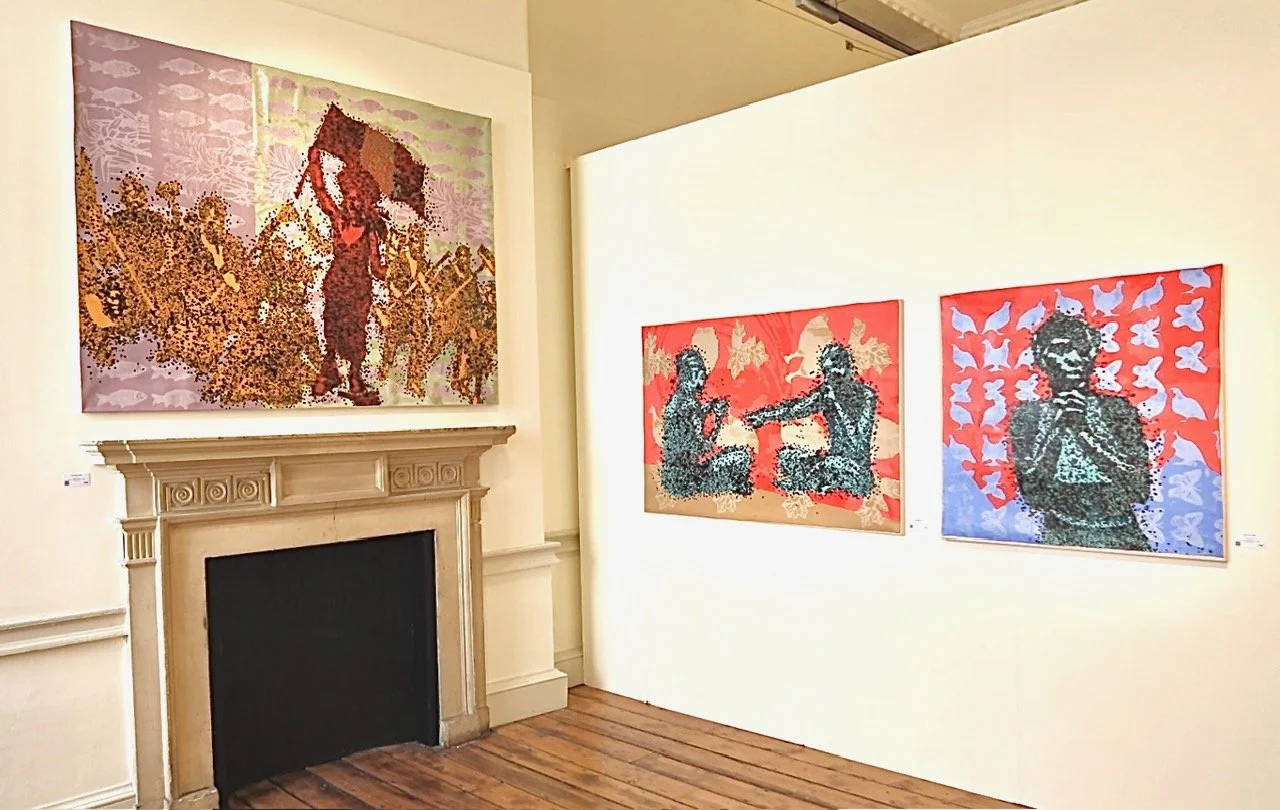
“It may not be what people expect to hear from a gallerist, but my primary motivation remains my connection with artists: being able to champion their projects, whether within Tribe’s walls or beyond, and give them visibility”
MAYÌ ARTS: Since launching Tribe, what has been your biggest challenge?
Malaïka BEN ALI: Bringing the project to completion and establishing the gallery was an initial challenge.
But there is also something I have encountered consistently throughout my life, and which I feel even more acutely as a Black woman: certain reactions along the lines of “What you're doing is very good,” with an underlying sense of surprise, as though people had expected something mediocre.
It is something I am particularly sensitive to, especially as I pay a great deal of attention to the gallery's communication. It remains something I am constantly mindful of.
MAYÌ ARTS: When you imagine Tribe five years from now, what would success look like?
Malaïka BEN ALI: I hope we will be able to develop more projects, participate in other fairs and establish new collaborations. It may not be what people expect to hear from a gallerist, but my primary motivation remains my connection with artists: being able to champion their projects, whether within Tribe's walls or beyond, and give them visibility.
That is what drives me above all. Fairs and collaborations are simply further opportunities to continue this work.