Gallery Misr : Building Connections Between Cairo and the Continent
Presenting a trio of artists at the 14th edition of 1-54 London, Gallery Misr brings a distinct perspective from Cairo to the international stage. In conversation with MAYÌ ARTS during the fair’s preview, Gallery Misr founder Mohamed Talaat and director Menna Genedy reflect on Egypt’s position within the broader African art landscape, the artistic dialogues the gallery fosters across the continent, and the encounters and connections that give international visibility its lasting significance.
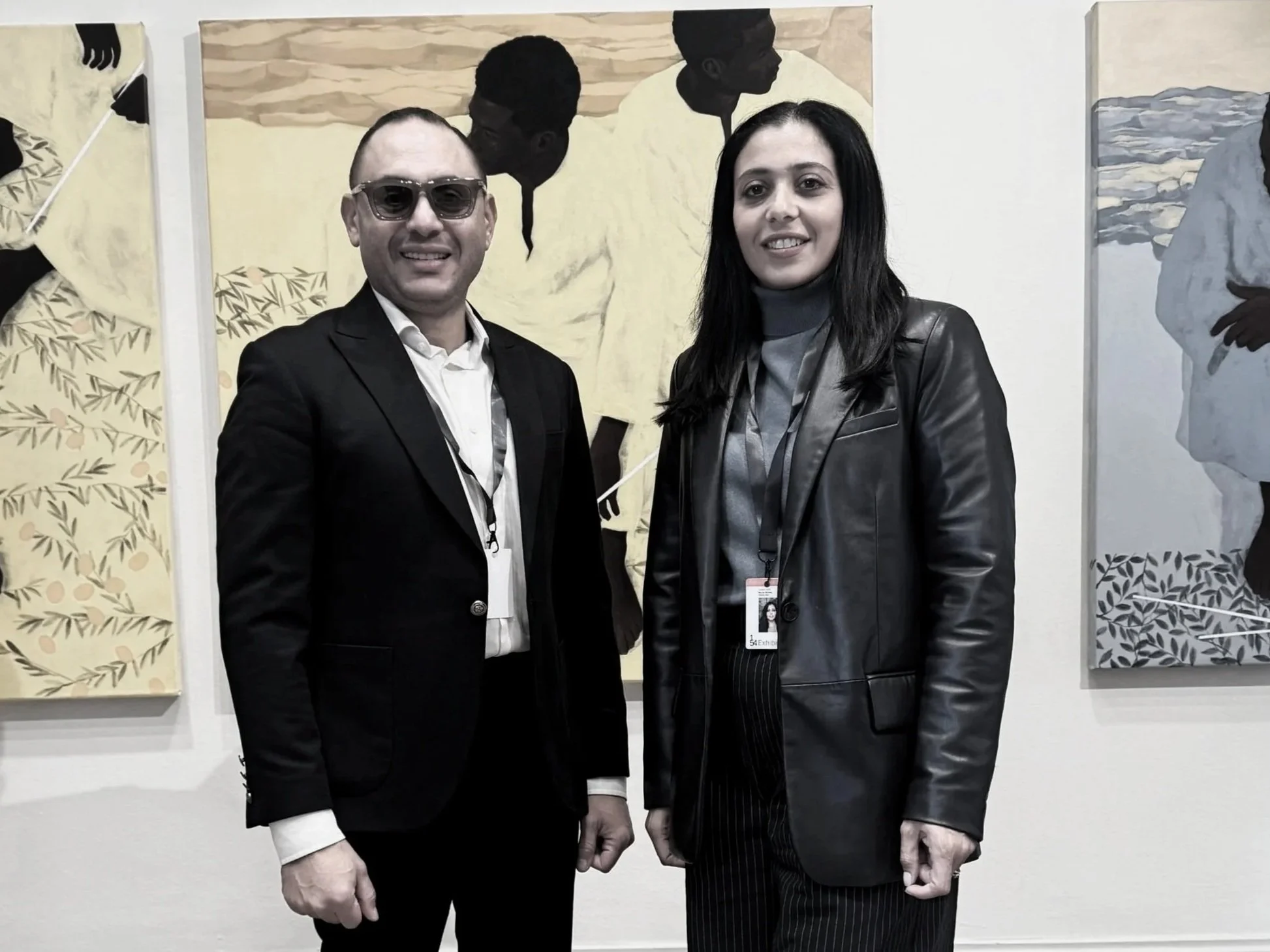
Mohamed Talaat and Menna Genedy at 1-54 London. Courtesy of Misr Gallery
As the installation takes shape at 1-54 London, a conversation sparked by Gamal Elkheshen’s paintings opens onto a broader question: how can a Cairo-based gallery foster deeper connections with artists, galleries and audiences across the African continent? For Mohamed Talaat, founder of Gallery Misr, this question begins with a paradox.
“North African countries are in Africa, yet at the same time they can find themselves outside the conversation around African art,” he observes.
His reflection speaks to a distance between geographical belonging and the way artistic scenes are presented, connected and understood. Egypt’s position at the crossroads of Africa, the Middle East and the Mediterranean has shaped a rich cultural history from which it still holds leverage when it comes to building cross-cultural bridges. For Talaat, it offers possibilities for exchanges that deserve to be developed further.
“We have connections with so many African countries. We need to build genuine cooperation across the continent as we share many common ideologies. Art serves as a connector.”
Founded in 2011, Gallery Misr has developed its programme through relationships with Egyptian and Middle Eastern artists. Its presence in London brings that history into dialogue with a wider ambition: to create opportunities for its artists internationally while bringing more practices from across Africa into Cairo.
“North African countries are in Africa, yet at the same time they can find themselves outside the conversation around African art.”
Looking inward and outward
Talaat describes the gallery’s development as a gradual expansion of relationships across countries and regions as he recalls : “I began working with artists from Mauritania, Morocco, Lebanon, Syria and Saudi Arabia, then extended those relationships towards sub-Saharan Africa.”
These connections have enabled a strong and organic exhibition program that has now encompassed more than 150 exhibitions since the gallery’s foundation observes director Menna Genedy. Looking back, she measures that history partly through the subsequent trajectories of the artists it has shown.
“Since our beginnings in 2011, we have exhibited many Egyptian and Middle Eastern artists who have gone on to gain international recognition.” highlighting the trailblazing nature of the gallery which has built steady programs and artists and collectors relationships since it has launched.
However Talaat is adamant about the next chapter the gallery should move forward to leveraging Egypt’s geographical position but also its cultural impact. The founder envisions more than ever to deepen the exchanges between Cairo and other African art scenes. His starting point is an audience he believes remains insufficiently recognised beyond Egypt.
“The gallery has welcomed many artists from across Africa here in Cairo. What people may not realise is that there is here a strong art scene and many collectors interested in African art. We are also looking towards international platforms such as Art Basel. In a way, we are looking inward and outward.”
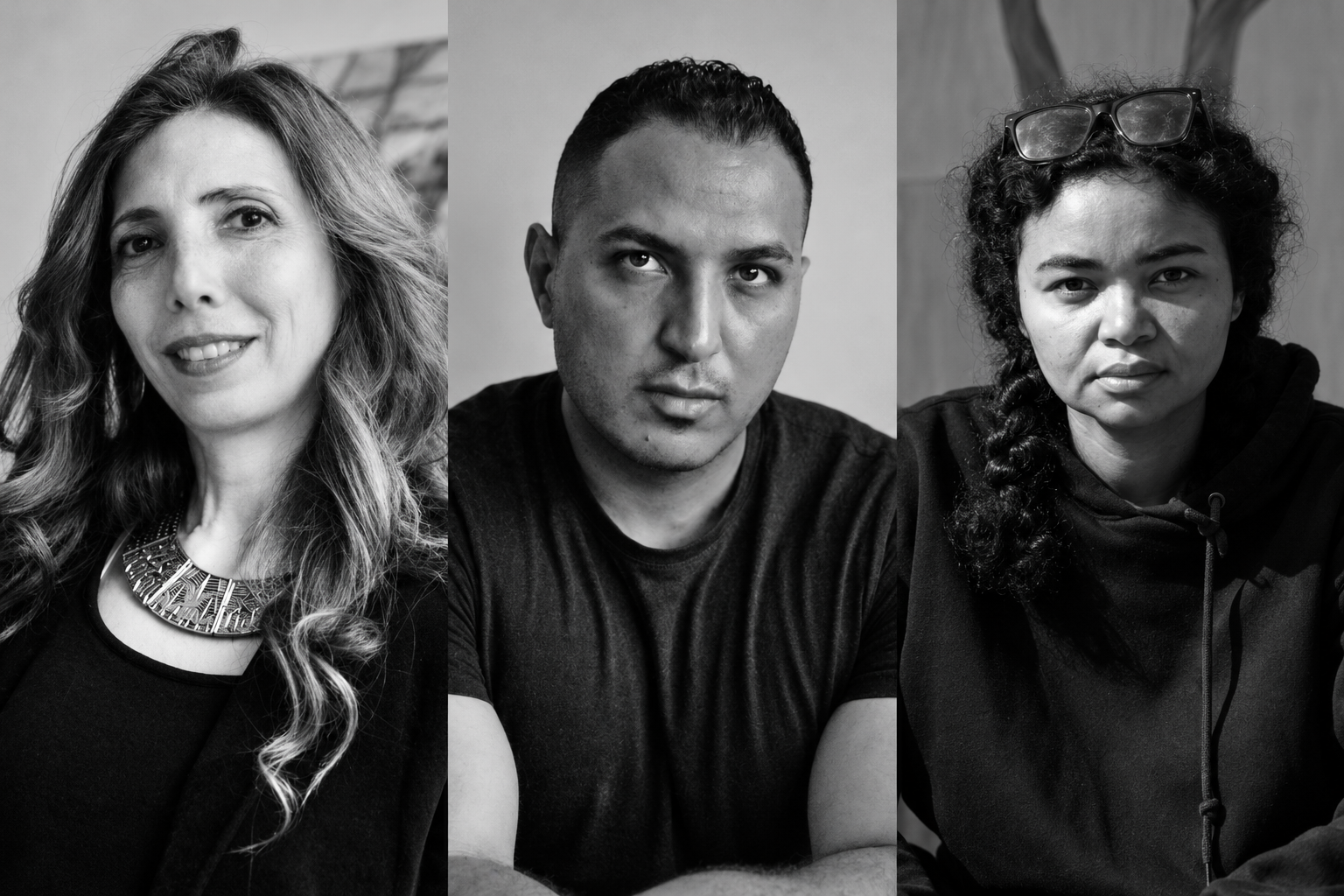
Hend Adnan, Gamal Elkheshen and Souad Abdelrasoul
This movement in both directions is central to his thinking. International participation can introduce Egyptian artists to new collectors and institutions, while relationships formed abroad can enrich the programme at home. The interest exists, but a stronger network of connections has yet to emerge. “There is a lot of interest in Egypt. We need more African art in Cairo, but we lack galleries with strong connections to those scenes.”
“The gallery has welcomed many artists from across Africa here in Cairo. What people may not realise is that there is here a strong art scene and many collectors interested in African art. We are also looking towards international platforms such as Art Basel. In a way, we are looking inward and outward.”
Ultimately, building the connections that sustain a gallery’s growth requires long-term commitment, supported by strategic international visibility which the gallery is well aware of. Participating in specialised fairs such as 1-54, alongside global platforms such as Art Basel, offers opportunities not only to reach new audiences but also to cultivate relationships across artistic and geographical boundaries.
“I am not only here to present the gallery,” he explains. “I am also here to meet other galleries and develop collaborations.”
Beyond commercial visibility, his ambition is to foster lasting exchanges through exhibitions, direct dialogue with artists and collaborations with fellow gallerists. In this context, the fair becomes more than a marketplace: it serves as a meeting point where new artistic dialogues, institutional relationships and future collaborations can take shape.
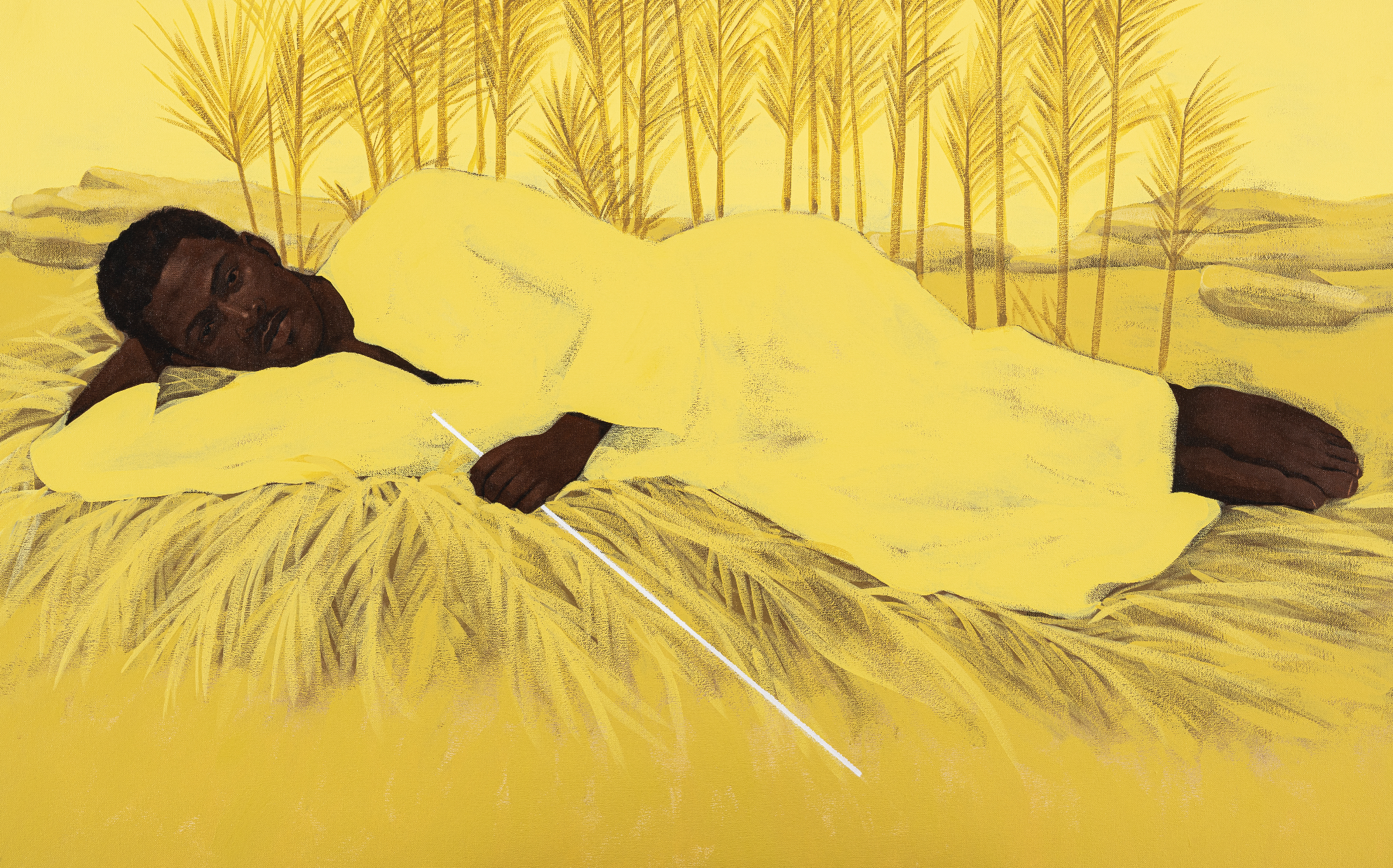
Gamal El Kheshen, People and The Nile VII, Acrylic on canvas 120x75cm
Reaching a receptive audience
The question of where artists are presented, and who encounters them there, comes into sharper focus when director Menna Genedy reflects on the gallery’s international experience which comes with its surprises.
“We presented Souad Abdelrasoul at Art Basel this year, in 2026. It was a wonderful exhibition: the presentation sold out within the first three hours of the VIP opening. We had not expected such a positive reception.”
While the reception translated into commercial success, Genedy by her account also highlights how success also lies in the quality of the encounters around the work.
“The right audience was there. We met institutions, serious collectors who knew what they were looking for at an art fair, and professionals working in the art business. That made a difference.”
Her reflection raises a question about how African artists move between specialised presentations and broader international settings. For a gallery working with Egyptian and Middle Eastern practices, these encounters offer opportunities to reach audiences whose interests extend across geographical categories.
Institutions, curators and collectors bring different possibilities: an acquisition, a future exhibition, an introduction or a continuing engagement with an artist’s practice. The value of visibility depends in part on what those encounters make possible afterwards.
Talaat’s ambitions for the gallery’s international presence continue to expand. “I am now aiming for Art Basel Miami Beach and Doha,” he says.
These are objectives for the gallery’s development, alongside its work to strengthen exchanges within Africa.
A dialogue across generations at 1-54
In London, Gallery Misr returns with Souad Abdelrasoul, Hend Adnan and Gamal Elkheshen. Their practices explore the relationships between identity, memory and the human condition. Together, their works offer visitors different entry points into contemporary Egyptian practice. As for Misr Gallery, this presentation also reflects a desire to bring artists at different stages of their careers into conversation.
“We have been very happy with the encouragement from the selection committee and Touria,” Genedy explains. “We are also pleased to be showing established artists alongside fresh voices this year at 1-54 London.”
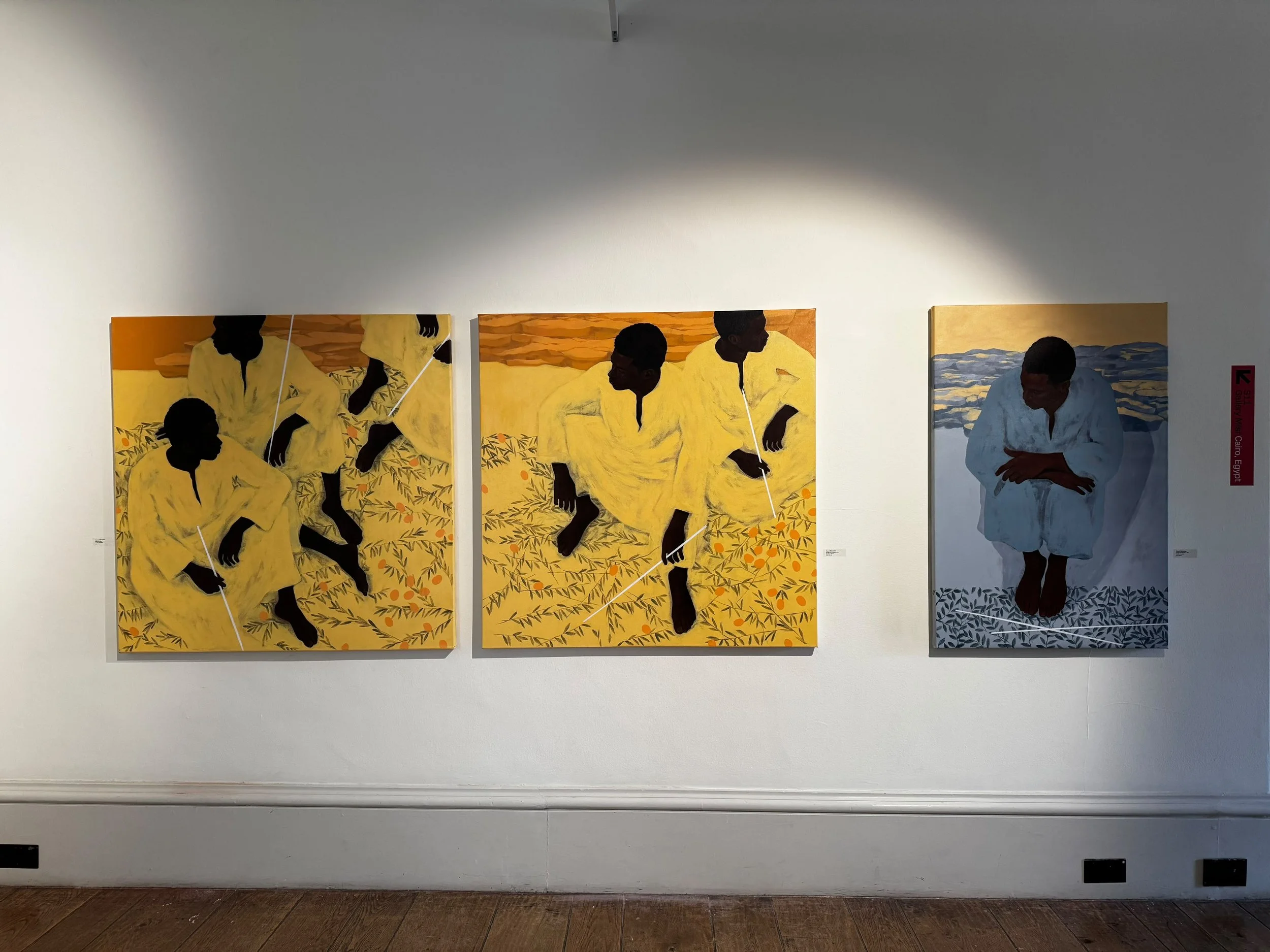
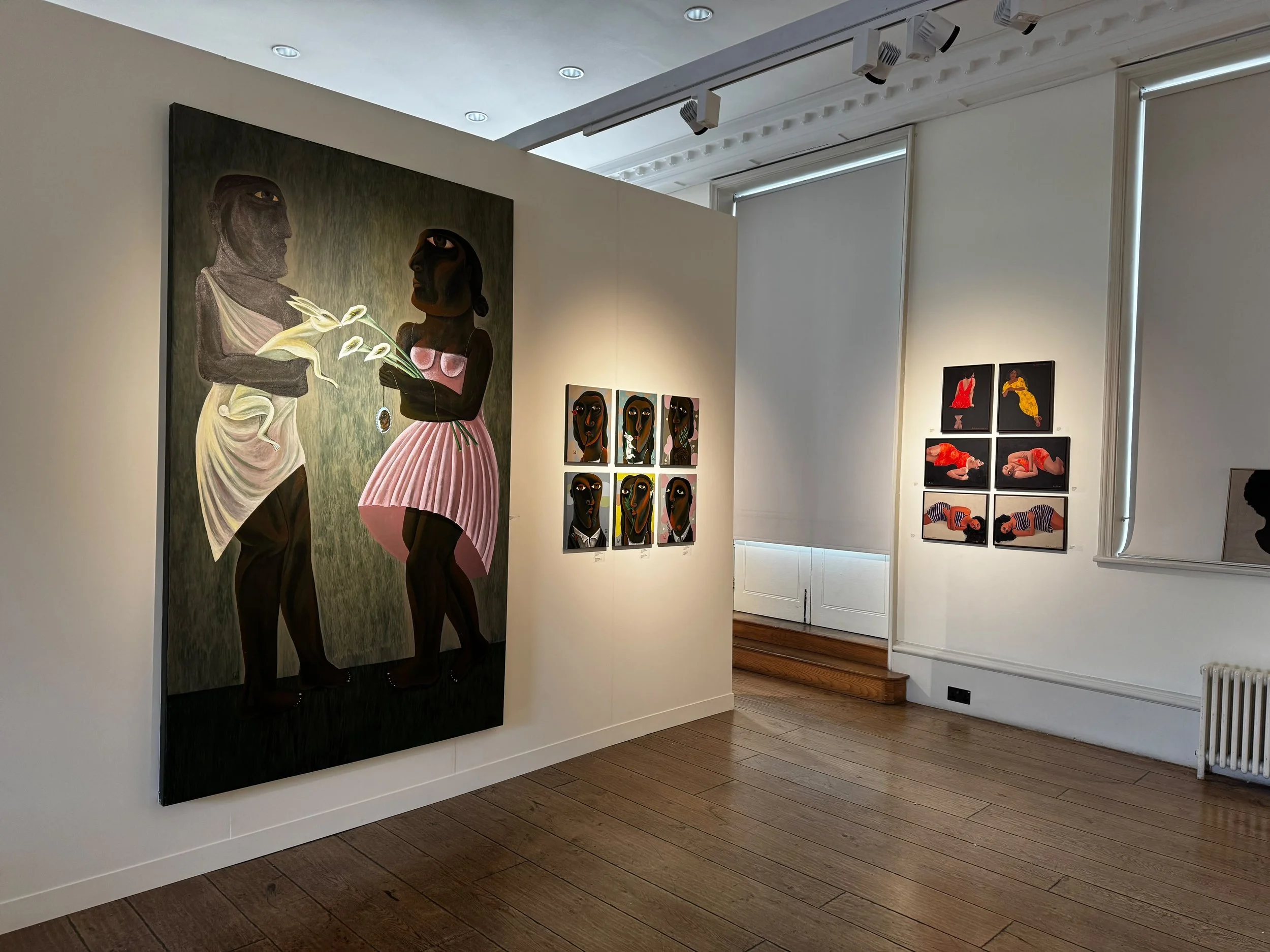
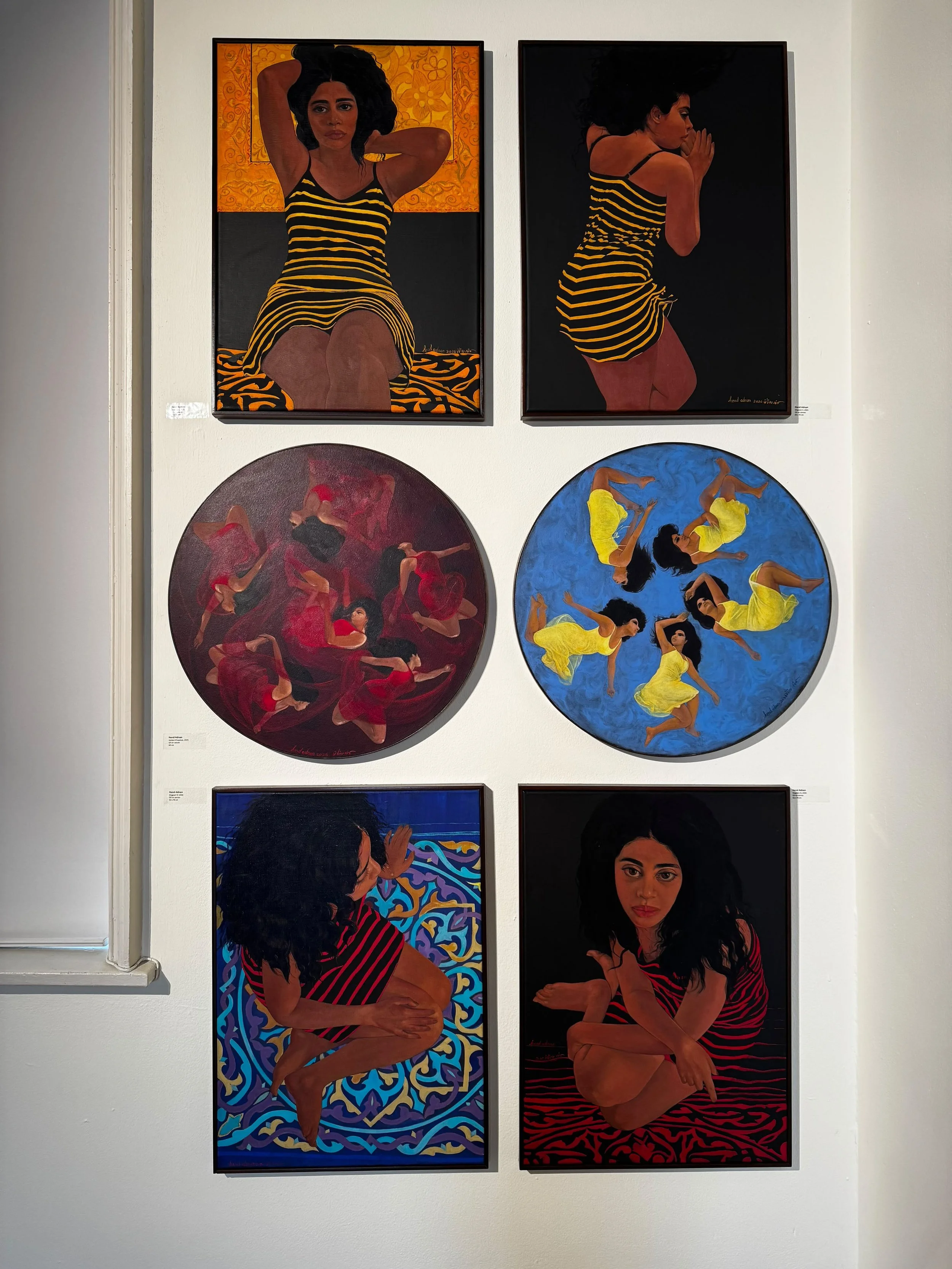
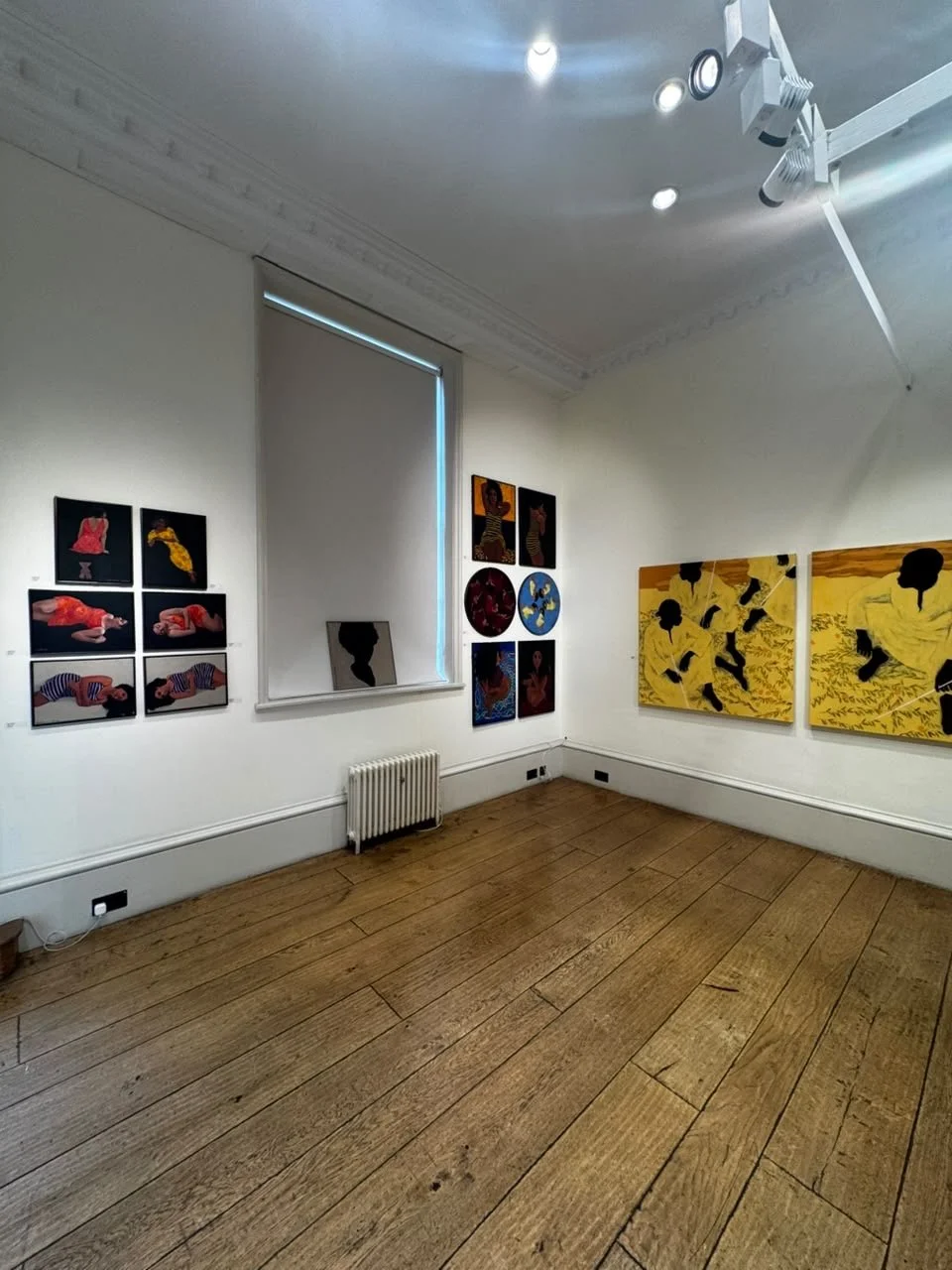
The response to earlier presentations has helped sustain that commitment to the fair. Returning offers an opportunity to renew relationships while introducing audiences to further dimensions of the programme.
For Gallery Misr, these connections are part of a longer undertaking. Talaat’s ambition is to make Cairo a more active place of encounter for artists from across the continent, while extending the international reach of the programme he has built there.
London offers a space to begin and renew those conversations. Their next chapter may take place in another fair, another gallery or an exhibition in Cairo.
Find out more about Gallery MISR on their website