Africa Basel 2026 : “Last year was a proof of concept. This year we are building a platform.”says co-founder Benjamin FÜGLISTER
One year after launching Africa Basel, co-founder Benjamin FÜGLISTER returns with a second edition that expands beyond the traditional art fair model. Set in a new venue during Basel Art Week, Africa Basel continues its commitment to showcasing contemporary African art while opening conversations around music, design, archives and alternative models of participation. Speaking with Mayi Arts, Füglister reflects on the lessons learned from the inaugural edition, the challenges facing art fairs today, and why independent cultural platforms matter more than ever.
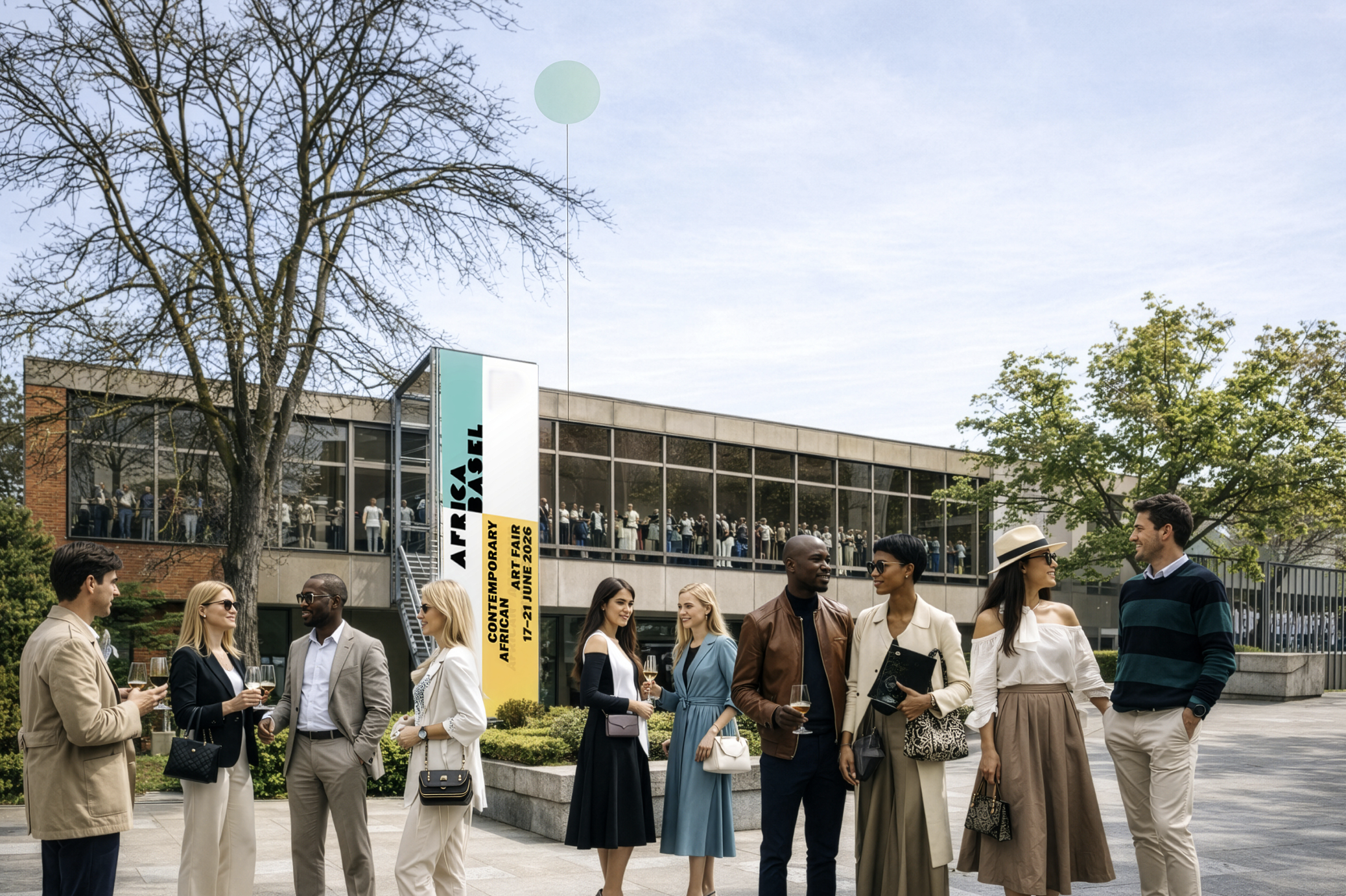
Africa Basel returns in June 2026
One year after its debut, Africa Basel returns with a second edition that reflects both growth and ambition. Founded as a platform dedicated to contemporary African art during Basel Art Week, the fair continues to evolve beyond the traditional exhibition model. From artist residencies and public programmes to music, archives and independent initiatives, Africa Basel is positioning itself as a broader cultural ecosystem. Ahead of this year's edition, Mayi Arts spoke with co-founder Benjamin FÜGLISTER about the lessons of the inaugural fair, the changing landscape of art fairs, and the importance of creating new spaces for dialogue and exchange.
MAYÌ-ARTS : Last year, Africa Basel was a new venture with many expectations attached to it. How are you approaching this second edition?
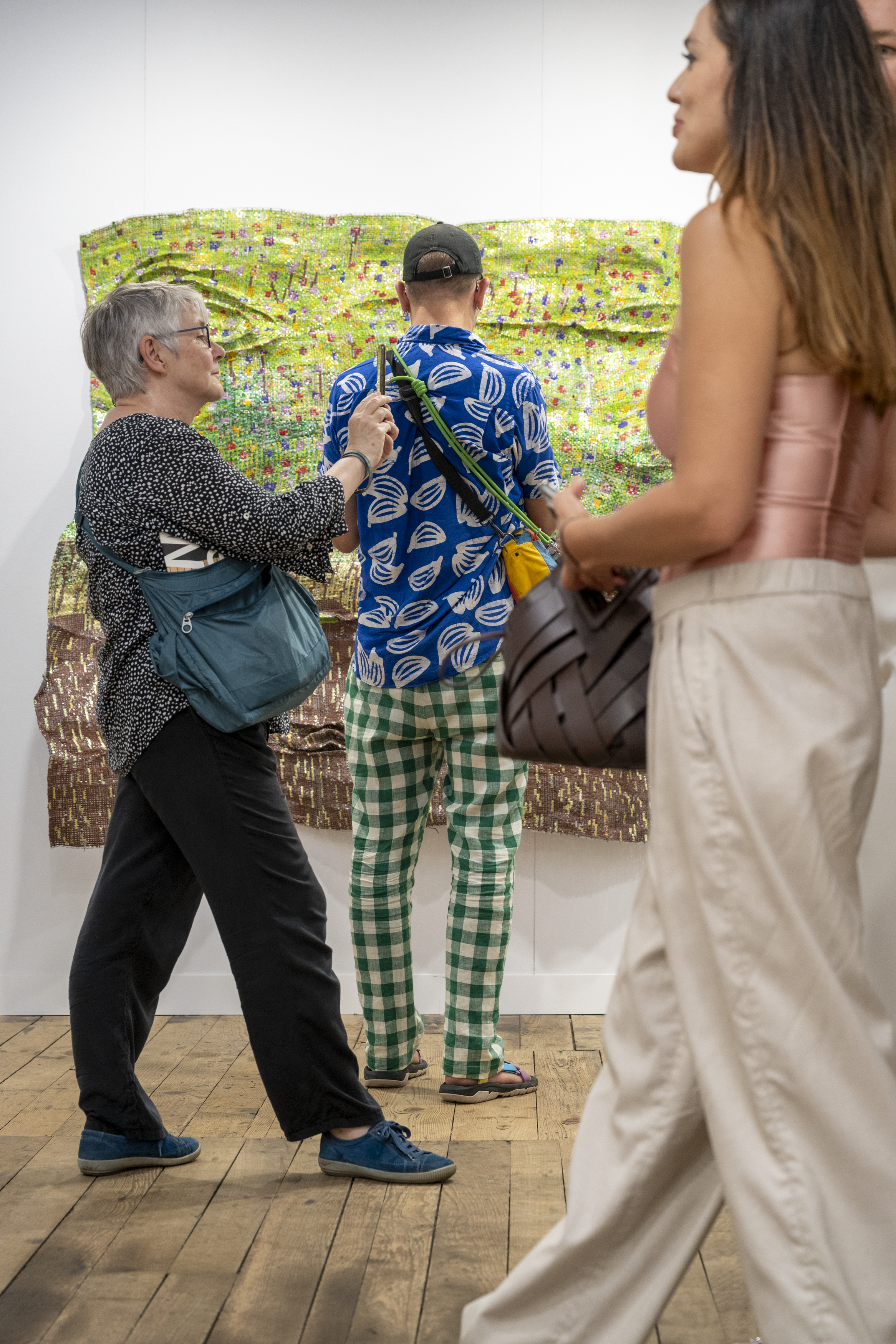
Benjamin FÜGLISTER : Last year was really a proof of concept. It was a test to see whether the idea would work. In that sense, it was successful. We received the right attention, the feedback was very positive, and, importantly, galleries sold works. At the end of the day, if galleries don’t sell, an art fair doesn’t work. What we learned is that our first venue, while incredibly charming, was too limited in terms of space. Larger works simply couldn’t be presented properly. So this year we decided to move to a new location that allows for a more spacious presentation and gives us more possibilities.
MAYÌ-ARTS : Tell us about the new venue.
Benjamin FÜGLISTER : It’s a fascinating building. It’s a listed modernist structure from the 1960s, very different from last year’s historic venue. What I find particularly interesting is the site’s history. It was formerly connected to Ciba-Geigy, one of the first companies involved in developing dyes 200 years ago. In a way, many of the colours we associate with African wax prints were developed on this very ground.
Beyond the story, the building gives us the opportunity to create a much more open fair experience. Our vision remains that visitors should be able to see almost everything from almost everywhere. We want the fair to feel open and connected.
“The traditional gallery model remains important, of course. But there are already many different ways of operating. Some galleries have exclusive artist contracts, others don’t. Some buy works outright, others don’t. The reality is already much more diverse than people often assume.”
MAYÌ-ARTS : Despite the new venue, Africa Basel remains intentionally intimate.
Benjamin FÜGLISTER : Absolutely. We have eighteen exhibitors this year, the same number as last year. Could the fair eventually grow ? Perhaps. But I don’t think it should become much larger than twenty-five exhibitors. The objective is not to become the biggest fair. What matters is maintaining a place where people can genuinely engage with the works, the galleries and one another. That sense of community is extremely important to us. Last year, the courtyard naturally became a meeting place. This year we have to recreate that atmosphere differently, through the layout of the venue and the surrounding garden. But the idea remains the same: Africa Basel should be a place where people come together.
MAYÌ-ARTS : One of the most interesting parts of this year’s programme is the diversity of participants. You’re not only working with traditional galleries.
Benjamin FÜGLISTER : That’s something we have been thinking about a lot. During the application process, we saw interest from many different types of organisations wanting to participate : art advisors, artist collectives, residency programmes and independent initiatives. It raises an important question: what does it actually mean to participate in the art market today?
The traditional gallery model remains important, of course. But there are already many different ways of operating. Some galleries have exclusive artist contracts, others don’t. Some buy works outright, others don’t. The reality is already much more diverse than people often assume.
I think art fairs need to become more open to these different models. For example, we have Kin Art Studio from Kinshasa participating through a collaboration with Atelier Mondial in Basel. We also have initiatives that are closer to artist collectives than traditional commercial galleries. These kinds of structures are particularly important in regions where gallery infrastructures remain limited.
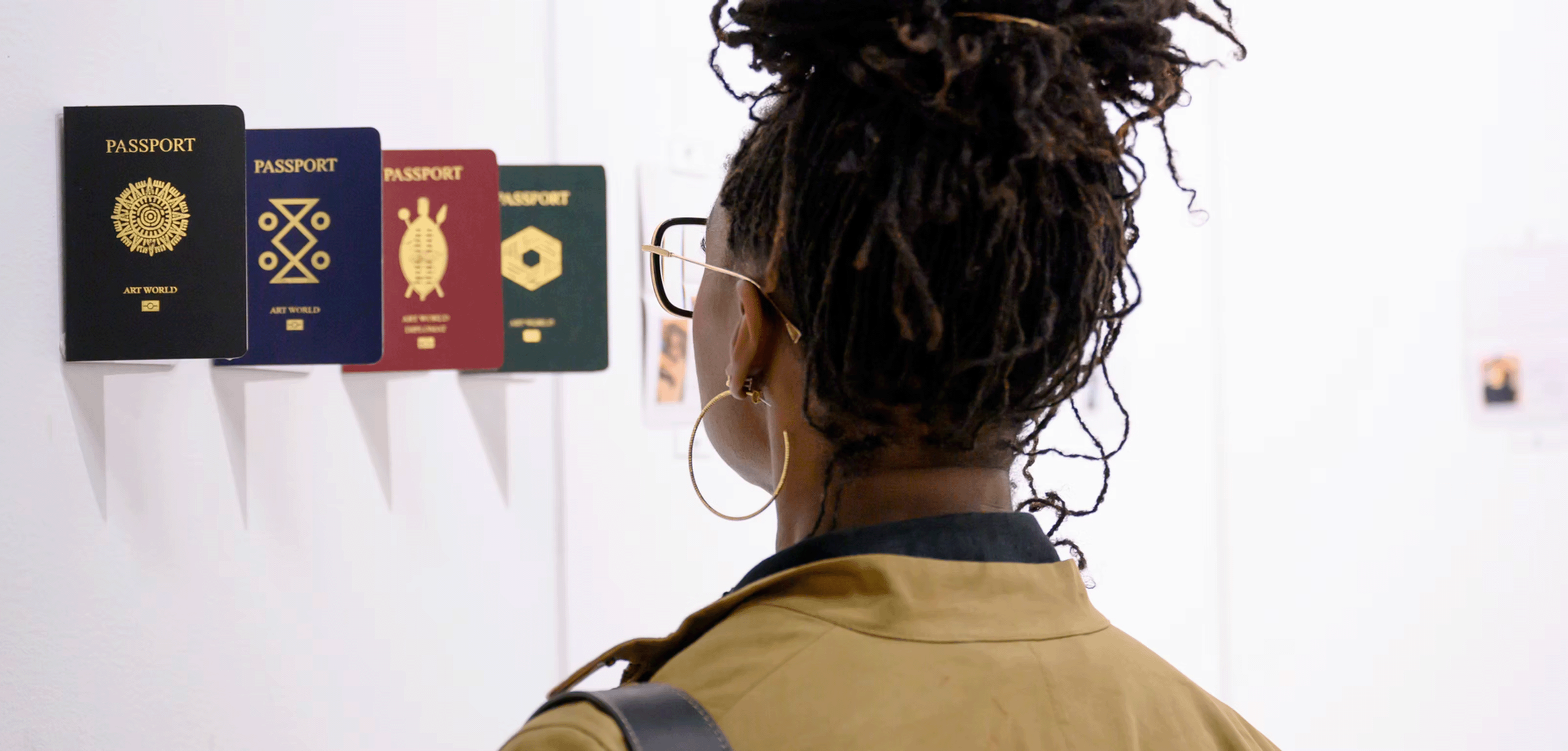
The Art World Passport (2024) — Richard MUDARIKI, ArtHARARE
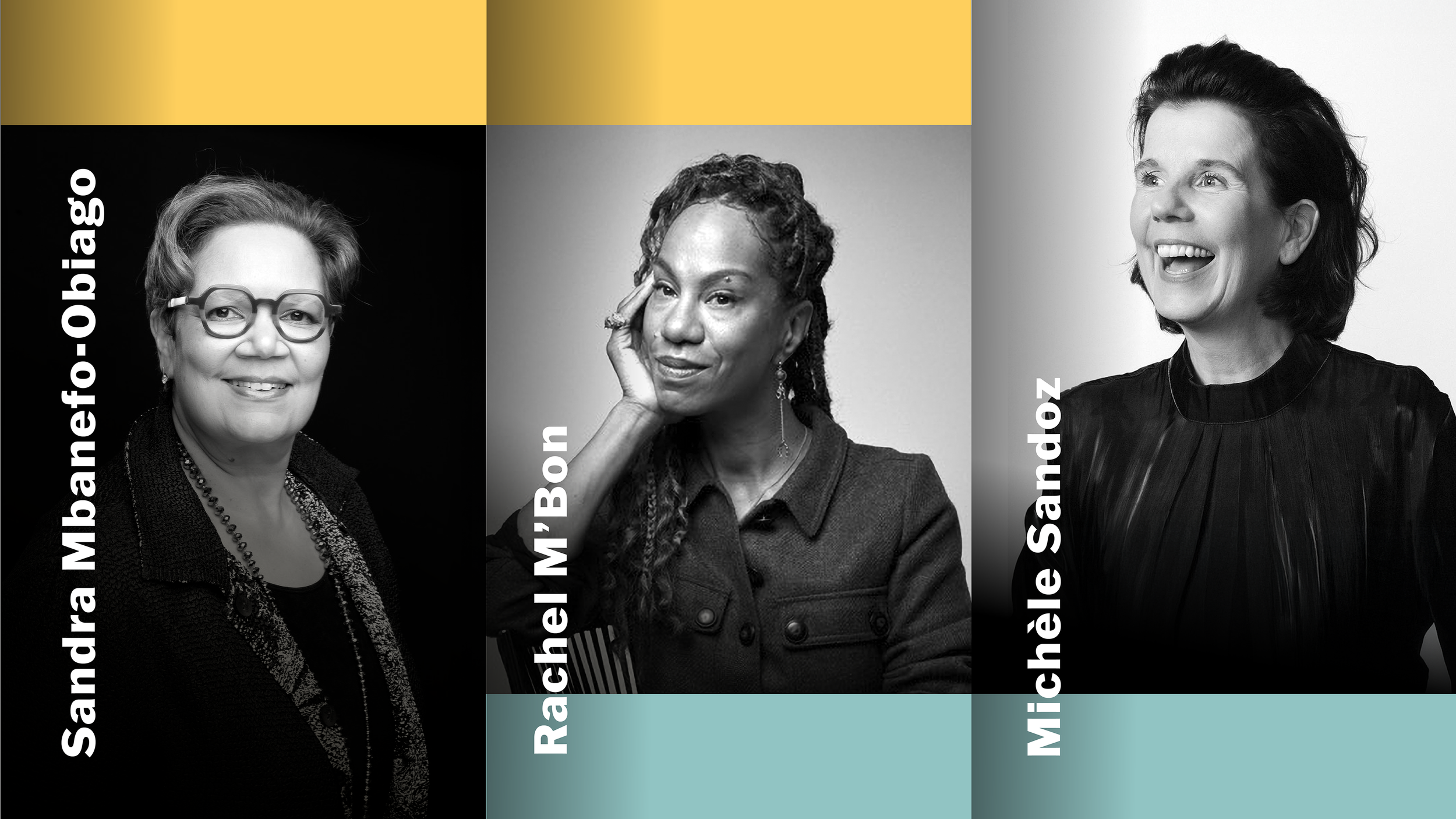
Sandra Mbanefo-Obiago, Rachel M’Bon, Michèle Sandoz
MAYÌ-ARTS : Is that part of a broader reflection on how art fairs should evolve?
Benjamin FÜGLISTER : I think so. The art world is changing, and art fairs need to adapt. We can no longer assume that one model fits everyone. In many African countries, there are very few galleries. Congo, for example, has only a handful of galleries for an entire country. That doesn’t mean there isn’t incredible artistic production. It simply means artists and cultural workers have developed different ways of organising themselves. As art fairs, we should create platforms that can accommodate those realities.
MAYÌ-ARTS : This year, Africa Basel extends beyond the traditional art fair format. Why was that important for you?
Benjamin FÜGLISTER : This is something we are actively developing. We want Africa Basel to engage more deeply with the broader creative industries and to create connections beyond the traditional art fair model. This year, that includes a stronger music programme, exhibitions outside the fair, and public projects that engage visitors in different
We have also strengthened our public programmes, with a greater focus on music, exhibitions taking place beyond the fair grounds, and special projects. For example, Richard Mudariki’s Art World Passport returns, but we are also creating an Art World Passport Embassy in the city. Visitors will be able to apply for their passport in a setting that mimics the experience of navigating administrative systems and borders, inviting reflection on mobility, citizenship and access within the art world. We are also presenting Beat Apartheid, an exhibition of posters documenting anti-apartheid music movements from the 1970s to the 1990s. The project is developed in collaboration with a foundation that has spent decades collecting and researching publications, archives and visual material from Southern Africa.
Beyond the exhibitions, we are continuing conversations around the creative industries. We have been exploring ways to engage more directly with design, fashion and music, recognising that contemporary African creativity extends far beyond the visual arts alone. We are in conversation with various stakeholders such as Vlisco whose CEO will join us this year for a panel discussion on the creative industries.
These initiatives help broaden the conversation around contemporary African art and allow us to engage audiences through different cultural entry points. Over time, I believe they will also encourage galleries to be more experimental, as they contribute to a richer cultural ecosystem and provide a wider context for the fair itself.
Our ambition is not to move away from the art fair model, but to enrich it. By creating a wider programme, we can offer audiences multiple entry points into the conversations taking place around contemporary African culture. I remember an interesting comment from a collector who said the fair wasn’t “African enough.”when attending last year. When I asked what that meant, it became clear that there were still many preconceived ideas about what African art is supposed to look like.
There is still a lot of work to be done around education and representation. Africa is incredibly diverse, and contemporary African art cannot be reduced to a single aesthetic or narrative. What interests me is creating a platform that reflects that complexity rather than reinforcing stereotypes.
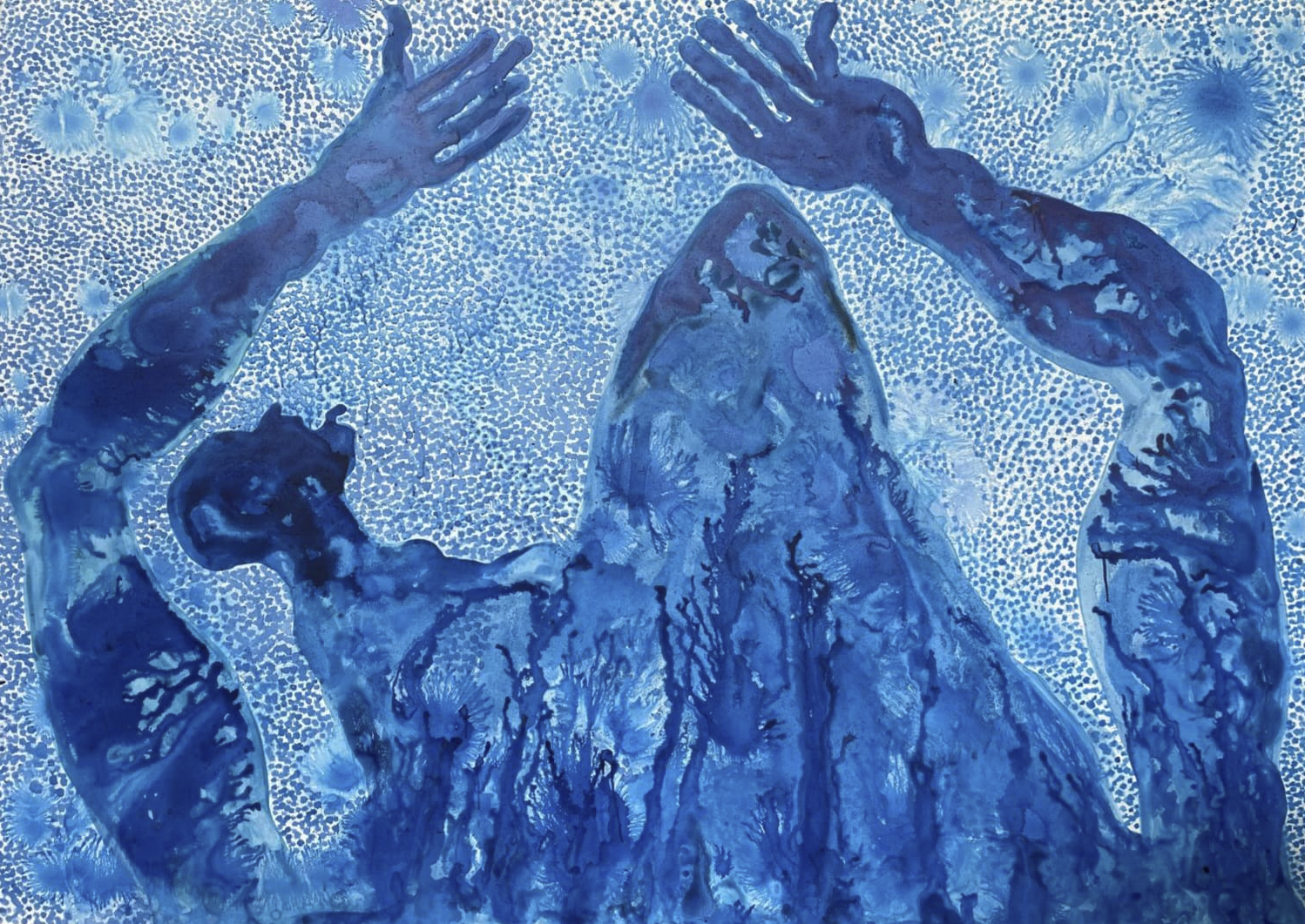
Swimming in Clear Water (2025) — Barthélémy TOGUO, La Galerie 38
“Our ambition is not to move away from the art fair model, but to enrich it. By creating a wider programme, we can offer audiences multiple entry points into the conversations taking place around contemporary African culture. ”
MAYÌ-ARTS : What does success look like for Africa Basel this year?
Benjamin FÜGLISTER : Of course, galleries need to sell, this is essential along with a strong attendance and meaningful engagement. But beyond numbers, success means fostering conversations and strengthening the ecosystem around contemporary African art. This includes partnerships with independent media, artists, curators, collectors and institutions. Building those relationships is just as important as what happens on the sales floor.
MAYÌ-ARTS : You mentioned the role of independent media. Why do you believe it is so important within the contemporary art ecosystem?
Benjamin FÜGLISTER : Because independent platforms are often where the most meaningful conversations happen. Large media outlets increasingly operate within commercial structures that can make genuine editorial engagement difficult. Meanwhile, smaller independent platforms are often producing thoughtful, original content that shapes the conversation.
I think there is a real opportunity for organisations like Africa Basel and independant platforms to grow together and support one another. We need those voices if we want a healthy and diverse cultural ecosystem. Absolutely. That section is actually one of the most interesting parts of the conversation because it shows that Africa Basel is positioning itself as more than an art fair. I would expand that section rather than reduce it.
“There is still a lot of work to be done around education and representation. Africa is incredibly diverse, and contemporary African art cannot be reduced to a single aesthetic or narrative. What interests me is creating a platform that reflects that complexity rather than reinforcing stereotypes.”

MAYÌ-ARTS : Are these programmes also a way of encouraging galleries to take more risks?
Benjamin FÜGLISTER : I think so. As a fair, it’s difficult to tell galleries what they should bring because they’re the ones who ultimately have to sell the work. But by creating a broader cultural programme, we can encourage experimentation.
When visitors engage with installations, archives, performances or public projects, it creates a context where galleries may feel more confident presenting ambitious or unconventional works. Over time, I hope this helps foster a more adventurous environment for everyone involved.
Africa Basel 17-21 June 2026, more information : www.africabasel.com